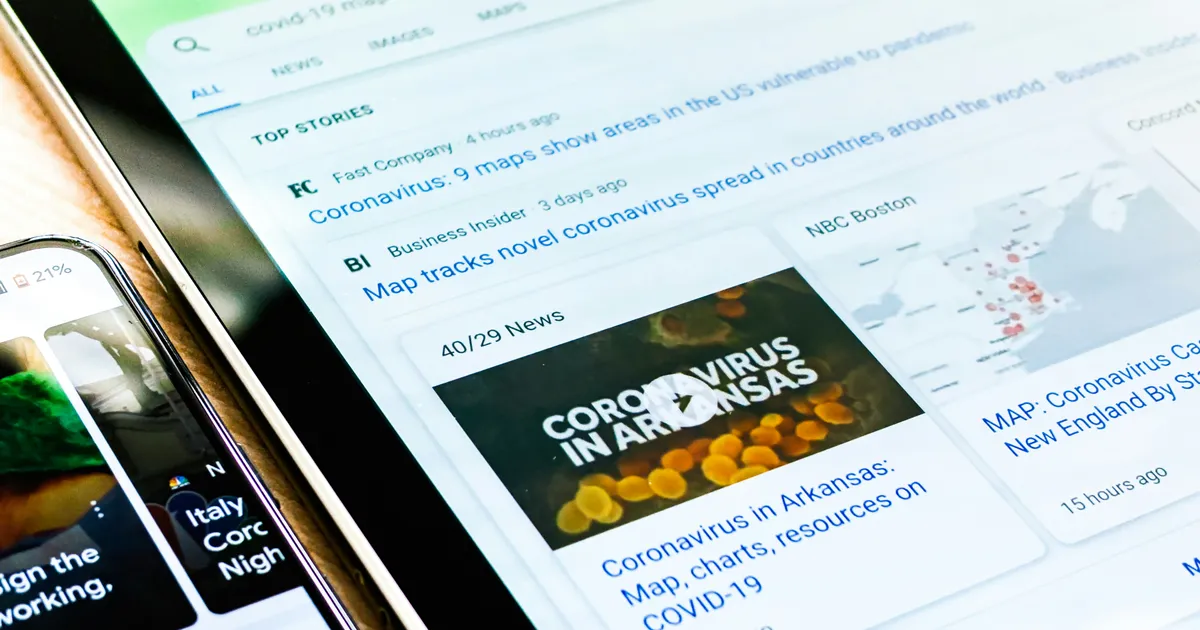
I remember a client, Sarah, who came to me exasperated. She was ranking #3 for a highly competitive term, yet her organic click-through rate (CTR) was abysmal, barely touching 1%. It was a classic case of mistaken identity: she thought high rankings automatically meant high clicks. What she discovered, and what I’ve seen countless times in my decade of experience, is that visibility isn’t conversion. This realization is the cornerstone of any effective organic click improvement strategy guide – it’s about making your listing irresistible to searchers, not just discoverable. We need to actively persuade users that your link is the answer to their query, even if you’re not always in the top spot. This isn’t just about SEO anymore; it’s about psychology, user experience, and compelling communication right there on the search results page.
Crafting Irresistible Titles & Meta Descriptions
The title tag and meta description are your shop window in the bustling marketplace of search results. Think of them as tiny advertisements, each vying for a fraction of a second of a user’s attention. A truly effective title doesn’t just include your target keyword; it sparks curiosity, promises a solution, or highlights a unique benefit. I’ve personally seen CTRs jump by as much as 30% simply by rewriting a bland, keyword-stuffed title into something engaging and user-centric. This often involves using power words, numbers, or even emojis (when appropriate and not overdone) to stand out from the crowd.
Your meta description, while not a direct ranking factor, acts as the supporting sales copy for your title. It’s your opportunity to expand on the promise, providing enough detail to entice a click without giving away the farm. It should summarize the core value of your page, address the user’s implicit need, and ideally include a subtle call to action. Remember, Google often pulls snippets from your content if it deems them more relevant, but providing a well-crafted description gives you the best chance to control your narrative and present a cohesive, compelling message to potential visitors.
Utilizing Emotional Triggers in SERP Copy
Beyond keywords and clarity, tapping into emotional triggers in your search result copy can dramatically boost engagement. People are driven by emotions: fear of missing out, desire for gain, curiosity, or the need for security. Phrases like “Unlock the Secret,” “Avoid These Mistakes,” or “Your Ultimate Guide to X” resonate deeply. My advice is to consider the psychological state of someone searching for your topic. Are they frustrated? Hopeful? Anxious? Tailor your language to acknowledge that emotion and offer a clear path to relief or fulfillment. This nuanced approach differentiates human-crafted copy from generic, AI-generated alternatives.
Leveraging Schema Markup for Rich Snippets
Schema markup is essentially a language you speak to search engines, helping them understand the context and specific details of your content. Implementing structured data allows Google to display “rich snippets” – enhanced search results that often include images, star ratings, prices, or event dates. Imagine you’re searching for a recipe; seeing star ratings and cooking times directly in the SERP makes a listing far more appealing than a plain blue link. This visual distinction and immediate information delivery are invaluable for organic click improvement, as they make your result stand out and provide immediate value to the user.
From a strategic perspective, integrating schema isn’t just a technical task; it’s a competitive advantage. For local businesses, LocalBusiness schema can display hours, address, and phone numbers, making it incredibly easy for users to find and contact them. For e-commerce sites, Product schema can showcase price, availability, and reviews, directly influencing purchase decisions. By providing Google with this granular data, you’re not just hoping for a better ranking; you’re actively shaping how your brand appears on the search results page, signaling authority and relevance. You can find excellent resources on structured data at Google Search Central.
Understanding User Intent and Content Alignment
At the heart of every search query is a user with a specific intent. Are they looking for information (informational intent), trying to buy something (transactional intent), or navigating to a specific website (navigational intent)? Failing to align your content with this underlying intent is a common pitfall. If a user is searching for “best running shoes 2026 reviews” and your page is an e-commerce category page, they might click, but they’ll quickly bounce because you haven’t met their informational need. Google is increasingly sophisticated at understanding intent, and pages that genuinely satisfy it are rewarded with higher engagement.
To truly excel, you must deeply research the intent behind the keywords you target. Look at the current SERP for your chosen terms: what types of results are ranking? Are they blog posts, product pages, comparison articles, or videos? This provides a powerful clue. Your content, from its structure to its depth, must then be meticulously crafted to fulfill that intent comprehensively. By offering the exact solution or information a user seeks, you not only encourage the initial click but also foster a positive user experience that reduces bounce rates and signals to search engines that your page is a valuable resource.
Optimizing for Core Web Vitals and Page Experience
While often seen as technical SEO, Core Web Vitals (CWV) and the broader page experience signals are crucial for organic click improvement because they directly impact how users perceive and interact with your site after they click. A slow-loading page, one with layout shifts, or a frustrating mobile experience will lead to immediate bounces, signaling to Google that your page isn’t providing a good user experience. Even if you manage to secure a click, a poor experience will negate its value and potentially harm future rankings. Google has made it clear that a good page experience is foundational for search success in 2026 and beyond.
Focusing on CWV metrics like Largest Contentful Paint (LCP), First Input Delay (FID), and Cumulative Layout Shift (CLS) isn’t just about appeasing an algorithm; it’s about respecting your users’ time and attention. A fast, stable, and responsive website builds trust and encourages engagement, ensuring that the click you earned translates into a meaningful interaction. Tools like Google’s PageSpeed Insights can help identify specific areas for improvement, from optimizing images and scripts to ensuring proper server response times. Prioritizing these technical aspects is a non-negotiable part of a holistic organic click improvement strategy.
Analyzing SERP Features and Adapting
The modern Search Engine Results Page (SERP) is a dynamic landscape, far beyond the traditional “10 blue links.” Featured snippets, ‘People Also Ask’ boxes, image packs, video carousels, and local packs all compete for user attention. Understanding which SERP features are present for your target keywords is vital, as they often capture a disproportionate share of clicks. For instance, if a featured snippet dominates the top of the page, your goal might shift from simply ranking #1 to actively optimizing your content to become that featured snippet, which often means structuring your answers concisely and directly.
Adapting your content strategy to target these features can significantly boost your organic clicks. For ‘People Also Ask’ boxes, consider dedicating specific sections of your content to answer common questions in a clear, Q&A format. For video carousels, embedding relevant, high-quality videos on your page (or creating new ones) can open up new avenues for visibility. By dissecting the SERP and understanding what Google is prioritizing for specific queries, you can strategically tailor your content and presentation to capture more of those coveted clicks. Sites like Semrush offer great insights into SERP features.
Key Takeaways
- Beyond Rankings, Focus on Relevance: High rankings are excellent, but an effective organic click improvement strategy prioritizes making your listing the most compelling and relevant choice for the user, regardless of its exact position on the SERP.
- Master Your Search Snippets: Your title and meta description are critical conversion points. Craft them to be emotionally engaging, value-driven, and clearly communicate what users will find, encouraging that initial click.
- Embrace Structured Data: Implement schema markup to unlock rich snippets, visually enhancing your presence on the SERP and providing immediate, useful information that differentiates your listing from competitors.
- Prioritize User Experience Holistically: From satisfying user intent with precise content to ensuring a fast and stable website (Core Web Vitals), a positive post-click experience reinforces trust and signals quality to search engines, leading to sustained organic traffic.
Frequently Asked Questions
How quickly can I expect to see results from organic click improvement strategies?
The timeline for seeing results can vary significantly. Minor changes to titles and meta descriptions might show improved CTR within weeks. More comprehensive strategies involving content restructuring, schema implementation, or Core Web Vitals optimization could take several months to demonstrate noticeable impact, especially as Google re-crawls and re-evaluates your pages. Consistency and patience are key.
Is it possible to improve organic clicks without improving rankings?
Absolutely! This is precisely the core concept of an organic click improvement strategy guide. By optimizing your title tags, meta descriptions, and leveraging rich snippets, you can significantly increase your CTR even if your ranking position remains the same. Making your search listing more appealing and informative makes users more likely to choose your link over others, even those ranked higher.
What’s the biggest mistake people make when trying to improve organic clicks?
The biggest mistake I’ve observed is focusing solely on keywords in titles and descriptions, neglecting the human element. They stuff keywords without considering how a real person will react to the snippet. Your goal isn’t just to tell Google what your page is about; it’s to persuade a human searcher that your page is the best solution for their query. Empathy and clear value proposition trump keyword density every time.
Should I A/B test my title tags and meta descriptions?
Yes, absolutely! A/B testing your title tags and meta descriptions is a highly effective way to refine your organic click improvement strategy. While direct A/B testing on live SERPs is challenging, you can monitor CTR changes after implementing new snippets. For more controlled tests, consider using Google Ads copy as a proxy or dedicated SEO testing tools if available. It’s the best way to understand what truly resonates with your audience.
Conclusion
The journey to enhanced organic clicks is a continuous one, blending technical precision with creative communication. It’s about understanding the subtle signals that draw a user’s eye, the unspoken questions in their mind, and the underlying needs they hope to fulfill. By moving beyond a singular focus on rankings and embracing a holistic organic click improvement strategy guide, you empower your content to not just be seen, but to be chosen. This nuanced approach ensures that your hard-earned visibility translates into meaningful engagement, building a stronger, more resilient online presence for years to come.