

Navigating the aftermath of a bike incident can be stressful, but understanding the bike insurance claim process step by step guide for faster approval is crucial for peace of mind and efficient resolution. In 2026, with the advancements in digital claims and streamlined procedures, knowing the correct actions to take from the moment of an incident to the final settlement can significantly reduce delays. This comprehensive guide will walk you through every critical stage, from immediate post-incident actions to essential documentation and leveraging digital tools, ensuring your two-wheeler insurance claim is processed smoothly and swiftly. By following these expert insights, you can empower yourself to manage your claim effectively and secure the financial protection you deserve.
Understanding Your Bike Insurance Policy

Before any unfortunate incident occurs, a thorough understanding of your bike insurance policy is the foundational step towards a hassle-free claim process. Policies typically fall into categories like comprehensive, third-party liability, and standalone own-damage coverages. A comprehensive policy, for instance, offers broad protection against damages to your own bike, theft, natural calamities, and third-party liabilities, making it the most popular choice for many riders in 2026. Conversely, a third-party policy only covers damages or injuries to another person or property caused by your vehicle, which is a legal mandate.
Key terms within your policy document, such as Insured Declared Value (IDV), deductibles, and add-ons, play a significant role in determining your claim settlement. The IDV represents the maximum sum your insurer will pay in case of total loss or theft, essentially being the market value of your bike at the time of policy purchase. Understanding your voluntary and compulsory deductibles is vital, as these are amounts you must pay out of pocket before the insurer contributes. Furthermore, add-on covers like zero depreciation, roadside assistance, or engine protection can greatly enhance your policy’s utility and impact the final claim amount, often leading to a more favorable outcome for specific types of damages.
Regularly reviewing your policy details, especially upon renewal, ensures that your coverage remains adequate for your bike’s current value and your specific needs. Familiarity with your insurer’s specific terms and conditions, including their network of cashless garages and their preferred communication channels for claims, can save invaluable time when an actual claim arises. This proactive approach minimizes surprises and prepares you for an efficient bike insurance claim process, setting the stage for faster approval.
Immediate Steps After a Bike Incident
The moments immediately following a bike incident are critical and can significantly influence the speed and success of your insurance claim. Your first priority should always be safety. Assess yourself and any others involved for injuries; seek immediate medical attention if necessary. Once everyone’s safety is ensured, move your bike to a safe location if possible, to prevent further damage or obstruct traffic, but only if it’s safe to do so without compromising evidence at the scene. This initial assessment and safety protocol are paramount before initiating any bike insurance claim process.
After addressing safety, the next crucial step is to gather evidence and notify the appropriate authorities. For any major accident involving third-party property damage, injury, or theft, it is imperative to file a First Information Report (FIR) with the police immediately. Collect photographic or video evidence of the accident scene, including damages to your bike, any other vehicles involved, road conditions, and relevant surroundings. Exchange contact and insurance details with any other parties involved. These details, along with eyewitness accounts, form the backbone of your claim documentation and are essential for a faster approval.
Finally, notify your insurance provider as soon as practically possible. Most insurers offer multiple channels for reporting incidents, including dedicated mobile apps, online portals, or 24/7 helplines. Providing prompt notification, typically within 24-48 hours of the incident, is often a policy requirement and demonstrates your diligence. This early communication initiates the bike insurance claim process, allowing your insurer to assign a surveyor and guide you through the subsequent steps. Delaying this notification can sometimes lead to complications or even claim rejection, emphasizing the importance of timely action.
Reporting the Incident to Your Insurer
Reporting the incident to your insurer is a pivotal moment in the bike insurance claim process. Modern insurance providers in 2026 have streamlined this step, offering various convenient methods. You can typically report a claim through their official mobile application, which often allows for uploading photos and documents directly, their user-friendly website portal, or by calling their dedicated customer service helpline. When reporting, be prepared to provide essential information such such as your policy number, date and time of the incident, location, a brief description of what happened, and details of any third parties involved. The more accurate and comprehensive the initial information, the smoother the subsequent steps will be.
The Bike Insurance Claim Process Explained
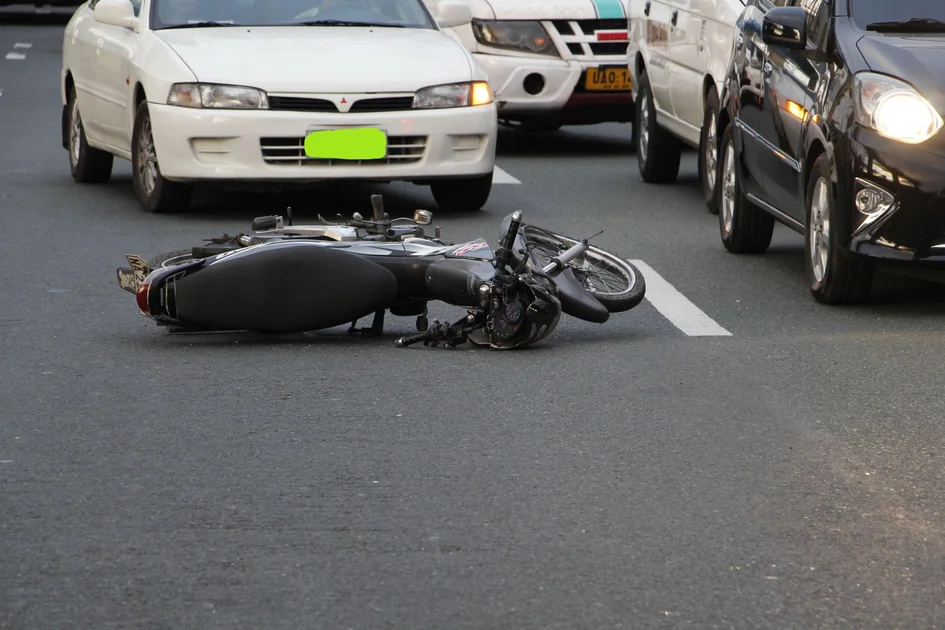
Once you’ve reported the incident, the bike insurance claim process officially begins, typically following a structured workflow designed to assess damages and determine compensation. The general sequence involves claim notification, assignment of a surveyor, documentation submission, assessment, approval, and finally, settlement. Upon receiving your notification, the insurer will appoint a surveyor who will inspect your damaged bike to estimate the repair costs and verify the circumstances of the incident. This assessment is critical, as it forms the basis for the insurer’s decision on the claim amount. Cooperation with the surveyor and providing all requested information promptly can significantly contribute to faster approval.
Claim settlement usually occurs in one of two ways: cashless or reimbursement. A cashless claim is often preferred for its convenience, as repairs are carried out at one of the insurer’s network garages. In this scenario, the garage directly bills the insurer for the approved repair costs, and you only pay for deductibles and non-covered expenses. This eliminates the need for you to pay the full repair amount upfront, easing your financial burden. Insurers often have extensive networks of garages, making this a widely accessible option for most policyholders. Always check if your preferred garage is part of your insurer’s network before authorizing repairs.
Alternatively, a reimbursement claim requires you to pay for the repairs upfront at a garage of your choice, which may or may not be part of the insurer’s network. After the repairs are complete and you’ve settled the bill, you submit all original bills and receipts along with other required documents to your insurer. The insurer then reviews these documents and reimburses you for the approved amount, minus any deductibles. While this option offers flexibility in choosing your repair facility, it necessitates you having the funds available for immediate payment. Both methods have their merits, and your choice often depends on your immediate financial situation and the availability of network garages.
Essential Documentation for Faster Approval

Submitting the correct and complete set of documents is perhaps the single most critical factor for ensuring a faster approval of your bike insurance claim. Any missing or incorrect paperwork can lead to significant delays or even rejection. The core documents typically required include your bike insurance policy document, the Registration Certificate (RC) of your bike, your valid Driving License (DL), and the First Information Report (FIR) if the incident involved theft, major accident, or third-party liability. Without these foundational documents, the claim cannot proceed.
In addition to these core documents, you will also need to provide the original repair estimates from the garage, followed by the final repair bills and payment receipts once the work is completed. If the incident involved injuries, medical reports and bills will also be necessary. For theft claims, a ‘No Trace Report’ from the police, confirming that the bike could not be recovered, becomes indispensable. It is highly advisable to keep both physical and digital copies of all these documents readily accessible. Many insurers in 2026 have advanced digital platforms that allow you to upload scanned copies directly, streamlining the submission process and enhancing efficiency.
To further expedite the process, ensure all details on your documents match your policy information and the incident report precisely. Discrepancies, even minor ones, can trigger further verification steps, causing unnecessary delays. Organizing your documents meticulously, perhaps in a dedicated digital folder, and submitting them in one go, demonstrates your preparedness and helps the insurer process your claim without having to chase missing information. This proactive approach to documentation is a cornerstone of a smooth and swift bike insurance claim process.
Comparison of Claim Settlement Options
Choosing between a cashless and a reimbursement claim significantly impacts your experience during the bike insurance claim process. Each option comes with distinct advantages and considerations that policyholders should weigh based on their specific situation and preferences. Understanding these differences can help you make an informed decision for faster approval and convenience.
| Feature | Cashless Claim | Reimbursement Claim | Notes |
|---|---|---|---|
| Initial Payment | Only deductibles and non-covered expenses | Full repair cost paid upfront by policyholder | Cashless reduces immediate financial burden. |
| Repair Network | Mandatory use of insurer’s network garages | Choice of any garage (network or non-network) | Network garages often have pre-approved rates and direct billing. |
| Convenience | High; less paperwork for policyholder regarding payment | Moderate; more personal effort for payment and documentation | Cashless offers a smoother, hands-off payment experience. |
| Processing Time | Often faster, direct communication between garage and insurer | Potentially slower due to documentation submission and verification | Digital cashless claims can be processed very quickly in 2026. |
| Documentation | Less extensive for policyholder; direct billing by garage | Requires submission of all original bills, receipts, and proofs | Reimbursement demands meticulous record-keeping. |
| Quality Assurance | Network garages are often vetted by insurers | Policyholder responsible for quality control at chosen garage | Insurers may have quality agreements with network partners. |
The comparison table clearly illustrates that cashless claims generally offer greater convenience and less financial strain upfront, making them a preferred option for many. The direct communication between the network garage and the insurer, combined with the pre-approved rates and streamlined processes, often leads to a quicker turnaround for repairs and settlement. This efficiency is particularly appealing in 2026, where digital integration has further optimized the cashless experience, allowing for real-time updates and faster approvals.
However, reimbursement claims provide unparalleled flexibility in choosing your repair facility, which might be important if you have a trusted mechanic outside the network or if you are in a remote area without accessible network garages. While it requires you to manage the payment and documentation more actively, it ensures you have complete control over where and how your bike is repaired. Ultimately, the best choice depends on your specific circumstances, geographical location, the severity of damage, and your comfort level with managing the financial aspects of the repair initially.
Tips for Expediting Your Bike Insurance Claim
To ensure a swift and smooth bike insurance claim process, several proactive measures and best practices can significantly reduce delays and lead to faster approval. Timely notification to your insurer is paramount; always report the incident within the stipulated timeframe mentioned in your policy. Delays in reporting can raise suspicions and necessitate additional investigations, prolonging the entire procedure. Use your insurer’s digital channels – mobile apps or online portals – for reporting, as these often allow for immediate submission of details and supporting evidence, bypassing postal delays.
Clear and consistent communication with your insurer and the assigned surveyor is another vital tip. Be available for inspections, provide accurate and detailed information, and respond promptly to any queries. If you’re opting for a cashless repair, ensure you take your bike to an authorized network garage as quickly as possible. These garages have pre-established protocols with insurers, which facilitates faster damage assessment and repair approvals. Always keep a record of all communications, including reference numbers, email exchanges, and names of individuals you’ve spoken with, to maintain transparency and accountability throughout the process.
Finally, meticulous documentation and diligent follow-ups can make a significant difference. Ensure all required documents, such as your RC, DL, policy papers, FIR (if applicable), and repair estimates, are complete and accurate before submission. Submit them digitally whenever possible to avoid physical transit times. After submission, don’t hesitate to follow up with your insurer regularly to check the status of your claim. While persistence is key, remember to be polite and professional. Understanding the typical timelines for each stage of the claim process in 2026 can help you anticipate next steps and proactively address any potential bottlenecks, ensuring a streamlined and efficient experience.
Pros and Cons of Digital Claim Processing
The shift towards digital claim processing has revolutionized the bike insurance claim process, bringing forth a host of benefits that align perfectly with the demand for faster approval and convenience in 2026. One of the primary advantages is unprecedented speed. Policyholders can initiate claims, upload documents, and track their claim status in real-time through mobile apps or web portals, significantly reducing the traditional processing time associated with paper-based submissions. This digital agility minimizes administrative delays and accelerates communication between the policyholder, insurer, and network garages, leading to quicker settlements.
Beyond speed, digital processing offers enhanced transparency and convenience. Policyholders receive immediate notifications regarding their claim’s progress, from surveyor assignment to final approval, fostering a sense of trust and control. The ability to submit documents from anywhere, at any time, eliminates geographical barriers and the need for physical visits to insurer offices or postal services. Furthermore, digital platforms often feature AI-driven assessment tools for minor damages, which can provide instant preliminary approvals, pushing the boundaries of efficiency even further. This seamless user experience is a major draw for modern policyholders.
However, digital claim processing also comes with its set of challenges and potential drawbacks. A significant concern is the requirement for digital literacy; not all policyholders may be comfortable or proficient with smartphone apps or online portals, potentially creating a barrier to access for some demographics. Technical glitches, such as app malfunctions, website downtimes, or issues with document uploads, can lead to frustration and delays, ironically counteracting the very benefits of digitalization. Moreover, data security and privacy are paramount concerns, as sensitive personal and financial information is being transmitted and stored digitally. While insurers invest heavily in cybersecurity, the risk of data breaches, though minimal, is always present. Therefore, while the pros largely outweigh the cons, insurers must continue to refine their digital ecosystems to be inclusive, robust, and secure for all users.
Key Takeaways
- Understand your bike insurance policy thoroughly, including IDV, deductibles, and add-ons, before an incident occurs.
- Prioritize safety and gather evidence (photos, FIR) immediately after a bike incident.
- Report your claim to the insurer promptly, ideally within 24-48 hours, using digital channels for faster processing.
- Submit complete and accurate documentation (RC, DL, policy, FIR, repair estimates) to avoid delays.
- Choose between cashless and reimbursement claims based on convenience and financial readiness, favoring cashless for speed.
- Communicate clearly and follow up regularly with your insurer and surveyor for a smooth claim journey in 2026.
Frequently Asked Questions
Can I claim bike insurance without an FIR?
For minor damages to your own bike, especially those not involving a third party, theft, or serious injury, an FIR might not be strictly necessary for your own-damage claim. However, for theft, major accidents, or any incident involving third-party property damage or bodily injury, filing an FIR is usually mandatory. Always check your specific policy terms or consult your insurer immediately after the incident to confirm the requirement.
What is IDV in bike insurance, and how does it affect claims?
IDV stands for Insured Declared Value, which is the maximum amount your insurer will pay in case of total loss (when repair costs exceed a certain percentage of the IDV) or theft of your bike. It represents the approximate market value of your bike at the time of policy purchase, factoring in depreciation. A higher IDV means a higher premium but also a higher payout in case of total loss, directly impacting your claim settlement amount.
How long does a bike insurance claim typically take in 2026?
In 2026, with advanced digital processing, a straightforward cashless claim for minor damages can often be approved and initiated within a few days, with repairs completed within a week or two. More complex claims involving major accidents, third-party liability, or theft may take longer, ranging from a few weeks to several months, depending on the investigation required, surveyor reports, and documentation verification. Prompt action and complete documentation significantly accelerate the process.
What happens if my claim is rejected?
If your bike insurance claim is rejected, your insurer must provide a clear reason for the rejection in writing. Common reasons include policy lapse, misrepresentation of facts, driving without a valid license, or not adhering to policy terms (e.g., delaying notification). You have the right to appeal the decision by providing additional evidence or clarification. If the dispute remains unresolved, you can escalate the matter to the insurer’s grievance redressal officer, the ombudsman, or a consumer court.
Is it mandatory to get repairs done at a network garage?
No, it is not always mandatory to get repairs done at a network garage. If you opt for a cashless claim, then yes, you must use one of your insurer’s authorized network garages for direct settlement. However, if you choose a reimbursement claim, you have the flexibility to get your bike repaired at any garage of your choice. In this case, you will pay for the repairs upfront and then submit the bills to your insurer for reimbursement.
Conclusion
Mastering the bike insurance claim process is an essential skill for any two-wheeler owner, particularly in the fast-evolving landscape of 2026. By diligently following this step-by-step guide, from immediate incident response and thorough documentation to understanding cashless versus reimbursement options and leveraging digital tools, you significantly increase your chances of faster approval and a seamless experience. Proactive policy understanding, timely communication, and meticulous record-keeping are your strongest allies. Remember, your preparedness and knowledge are key to unlocking the full protection of your bike insurance, ensuring that unforeseen incidents cause minimal financial disruption and maximum peace of mind on the road ahead.