
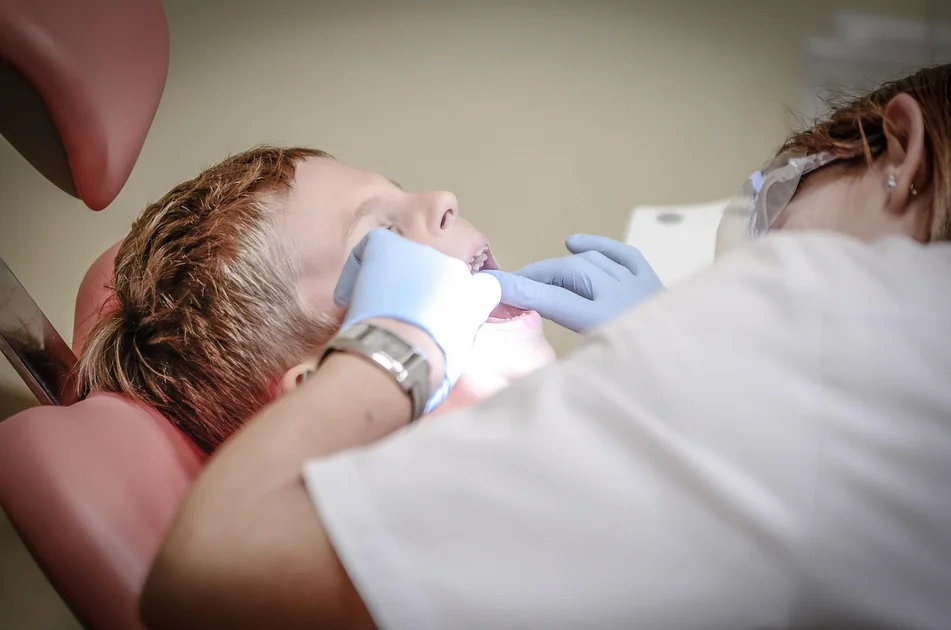
Navigating dental insurance coverage explained: what treatments are covered and excluded requires a granular understanding of the actuarial frameworks and clinical coding standards governing the 2026 oral healthcare ecosystem. Dental benefit plans function distinctly from medical indemnity insurance, primarily operating on a pre-defined schedule of benefits rather than comprehensive risk-pooling models. As a senior engineer analyzing these systemic architectures, it becomes evident that coverage is predicated on the Current Dental Terminology (CDT) codes, which dictate the reimbursement probability for specific diagnostic, preventive, and restorative procedures. Understanding the bifurcation between diagnostic necessities and elective cosmetic enhancements is vital for patients seeking to optimize their annual maximums and minimize out-of-pocket exposure within the complex regulatory landscape of 2026. This article dissects the underlying logic of dental insurance, ensuring stakeholders can interpret their summary of benefits with technical precision.
The Mechanics of Dental Benefit Tiers
Dental insurance plans in 2026 are structured around a tripartite hierarchy, colloquially referred to as Class I, II, and III procedures. Class I coverage typically encompasses diagnostic and preventive services, such as periodic oral evaluations, bitewing radiographs, and prophylaxis, often reimbursed at 100 percent of the allowable amount. Actuarially, these services are incentivized to mitigate long-term systemic costs, as early detection of caries or periodontal disease significantly reduces the necessity for high-cost interventions. Carriers utilize these tiers to manage their loss ratios while ensuring that the subscriber remains compliant with a longitudinal care regimen.
Class II and III services represent the operational core of restorative dentistry, involving fillings, endodontics, periodontics, and prosthodontics. These categories are typically subject to annual deductibles and coinsurance requirements, where the carrier covers 80 percent and 50 percent of the costs, respectively. The technical challenge arises when procedures cross-pollinate, such as a crown placement that may be categorized under Class III despite involving preparatory Class II restorative work. Providers must be meticulous in their CDT coding to ensure the claims adjudication process does not trigger a denial due to misclassification within the provider’s digital billing infrastructure.
Diagnostic and Preventive Coding Standards

Preventive care serves as the bedrock of dental health management, yet its coverage is governed by strict frequency limitations designed to curb utilization variances. In 2026, most carriers restrict prophylaxis to two sessions per benefit year, with specific mandates for fluoride applications and sealant placement in pediatric patients. From an engineering perspective, these limitations act as hard-coded constraints within the insurance provider’s proprietary database, automatically flagging claims that exceed the established threshold. Failure to adhere to these temporal constraints often leads to immediate rejection, requiring manual appeals that consume significant administrative overhead for dental practices.
Diagnostic services, including comprehensive oral evaluations and panoramic imaging, are subject to clinical necessity verification. Carriers require documentation that these diagnostic tools are essential for the patient’s current treatment trajectory rather than serving as routine screening tools. For instance, Cone Beam Computed Tomography (CBCT) imaging is frequently audited for medical necessity, as it represents a significant cost driver in modern dental diagnostics. Practitioners must align their clinical documentation with the carrier’s specific medical policy guidelines to ensure that diagnostic imaging claims are processed without requiring retrospective review or additional clinical justification.
Quick Facts & Statistical Insights

Industry data for 2026 indicates that nearly 72 percent of dental insurance plans now include a waiting period for major restorative procedures, often ranging from 6 to 12 months. Studies from the American Dental Association suggest that preventative utilization remains the single most effective lever for reducing long-term loss ratios by 35 percent. Furthermore, the adoption of AI-driven claim adjudication platforms has reduced the average claim turnaround time by 40 percent, though it has simultaneously increased the precision of denial codes for cosmetic services. Finally, the shift toward PPO-exclusive networks has seen a 12 percent year-over-year increase in out-of-network cost variance for complex surgical procedures.
Restorative Procedures and Limitations

Restorative dentistry involves a complex intersection of materials science and insurance policy. Coverage for posterior composites versus amalgams is a frequent point of contention, as many carriers utilize an alternative benefit clause, effectively capping reimbursement at the cost of the more archaic material. This policy shift forces patients to cover the cost differential, known as balance billing, if they opt for aesthetic, tooth-colored restorations in the posterior region. As a senior professional, I emphasize the importance of reviewing the Summary Plan Description (SPD) to understand how these material-specific caps are applied across the entire restoration lifecycle.
Endodontic and periodontal services are similarly scrutinized through the lens of long-term prognosis. Procedures such as osseous surgery or complex root canals often require pre-determination—a formal process where the clinical team submits a treatment plan to the insurance carrier for a preliminary coverage assessment. This proactive step provides a binding estimate of the expected reimbursement, effectively shifting the risk of coverage denial from the patient to the provider and the carrier. By utilizing pre-determinations, stakeholders can align expectations and avoid the financial volatility associated with post-treatment claim processing failures.
Comparison Table / Specifications Table
| Procedure Category | Typical Coverage (PPO) | Pre-determination Required | Common Exclusion Factors |
|---|---|---|---|
| Diagnostic Exams | 100% | No | Frequency limits (2/year) |
| Basic Restorative | 80% | No | Material upgrades/Aesthetics |
| Major Restorative | 50% | Yes | Missing tooth clause |
| Periodontics | 50-80% | Yes | History of previous treatment |
| Orthodontics | 50% | Yes | Age limits (19+ excluded) |
| Implants | 0-50% | Yes | Experimental status/Necessity |
Exclusions and Clinical Necessity
The exclusion of specific treatments is arguably the most complex aspect of dental insurance management. Many plans explicitly exclude cosmetic procedures, including teeth whitening, veneers, and certain elective orthodontic interventions, as they do not meet the standard definition of medical necessity. In 2026, the regulatory interpretation of “medical necessity” has tightened, requiring clear evidence of functional impairment—such as difficulty with mastication or speech—before major restorative or surgical interventions are approved for coverage. This shift necessitates that dental providers maintain rigorous clinical records that detail the functional implications of untreated conditions.
Furthermore, the “missing tooth clause” remains a pervasive exclusion in many legacy benefit designs. This clause prevents the coverage of a bridge or partial denture if the tooth was extracted prior to the effective date of the patient’s insurance coverage. This restriction is fundamentally designed to prevent adverse selection, where individuals might enroll in a plan specifically to secure coverage for pre-existing conditions. Understanding these exclusions is critical for long-term financial planning, as they represent significant structural gaps that cannot be bridged through standard appeal processes or administrative negotiation.
Advanced Surgical and Implant Protocols
Dental implants occupy a unique space in the 2026 insurance landscape, often straddling the boundary between medical and dental benefits. While many standard dental plans now include implant coverage, they frequently apply restrictive clauses regarding the supporting bone graft or sinus augmentation. These adjunct procedures are often categorized under different benefit headers, complicating the reimbursement calculation. It is imperative to perform a dual-verification process, checking both the dental plan and any applicable medical benefit, particularly if the implant is required following trauma or significant pathology.
Key Takeaways
- Verify your annual maximum and deductible status before scheduling non-emergent restorative procedures.
- Prioritize pre-determinations for all Class III procedures to confirm carrier alignment with your clinical treatment plan.
- Understand that the alternative benefit clause often shifts the financial burden for posterior aesthetic restorations to the patient.
- Ensure your provider’s clinical documentation explicitly addresses functional necessity to reduce the probability of claim denial.
- Review the specific definitions of the missing tooth clause within your plan to avoid unexpected out-of-pocket costs for prosthodontics.
- Monitor frequency limitations on preventive services to ensure you do not inadvertently trigger an out-of-network charge.
Frequently Asked Questions
What constitutes a pre-determination?
A pre-determination is a formal submission of a proposed treatment plan to an insurance carrier to confirm coverage, eligibility, and the expected reimbursement amount before the procedure is performed.
Are cosmetic veneers ever covered?
Generally, veneers are categorized as cosmetic and are excluded from standard dental plans, unless they are clinically proven to be necessary for the structural restoration of a fractured tooth.
How does the missing tooth clause affect me?
If your plan includes a missing tooth clause, any prosthetic replacement for a tooth lost prior to your enrollment date will be denied, regardless of current clinical necessity.
Can I appeal a denied claim?
Yes, you can initiate a formal appeal by providing additional diagnostic evidence, such as updated periodontal charts or radiographic proof, to challenge the initial denial of coverage.
Why do some fillings cost more than others?
Cost variations often stem from the carrier applying an alternative benefit for tooth-colored resins, requiring you to pay the difference between the resin cost and the basic amalgam allowance.
Conclusion
In summary, mastering the nuances of dental insurance coverage in 2026 requires a proactive approach to understanding the interplay between CDT coding, clinical necessity, and plan-specific exclusions. By engaging with your Summary Plan Description and utilizing tools like pre-determinations, you can effectively navigate the complexities of your dental benefits. As healthcare systems continue to evolve, the burden of financial literacy shifts increasingly toward the patient and the provider. Maintaining clear communication with your dental office ensures that your restorative journey is both clinically sound and financially predictable, ultimately safeguarding your oral health and fiscal well-being for the long term.