

Understanding the travel insurance claim process is essential for every globetrotter navigating the complexities of international transit in 2026. While many travelers view insurance as a simple safety net, the reality involves a structured administrative procedure that demands precision, timing, and rigorous documentation. Whether you are dealing with a sudden trip cancellation, a lost passport in a foreign city, or a medical emergency, knowing exactly how to substantiate your claim can be the difference between a full reimbursement and a rejected request. This guide demystified the bureaucratic hurdles of insurance claims, providing you with the expert knowledge needed to protect your financial interests during your 2026 adventures across the globe.
Initial Steps During an Emergency

The moment an incident occurs, your primary objective should be immediate mitigation and documentation. If you face a medical emergency, contact your insurer’s 24/7 assistance hotline before authorizing any non-emergency procedures. Many insurance providers in 2026 require prior approval for hospital admissions to ensure coverage eligibility. Always request a written report from the attending physician, detailing the diagnosis and the necessity of the treatment provided. This proactive approach prevents the common pitfall of insurers claiming that the medical services were elective rather than essential.
For non-medical issues, such as lost luggage or theft, the clock starts ticking immediately. You must report the incident to local authorities, such as the police or airline officials, within 24 hours. Obtain a formal written report, often referred to as a Property Irregularity Report (PIR) for airlines, to serve as primary evidence for your claim. Without this official documentation, proving the validity of your loss becomes significantly harder. Digital records, including time-stamped photographs of damage or receipts for essential replacement items, should be stored in a secure cloud folder to prevent loss.
Understanding Documentation Requirements
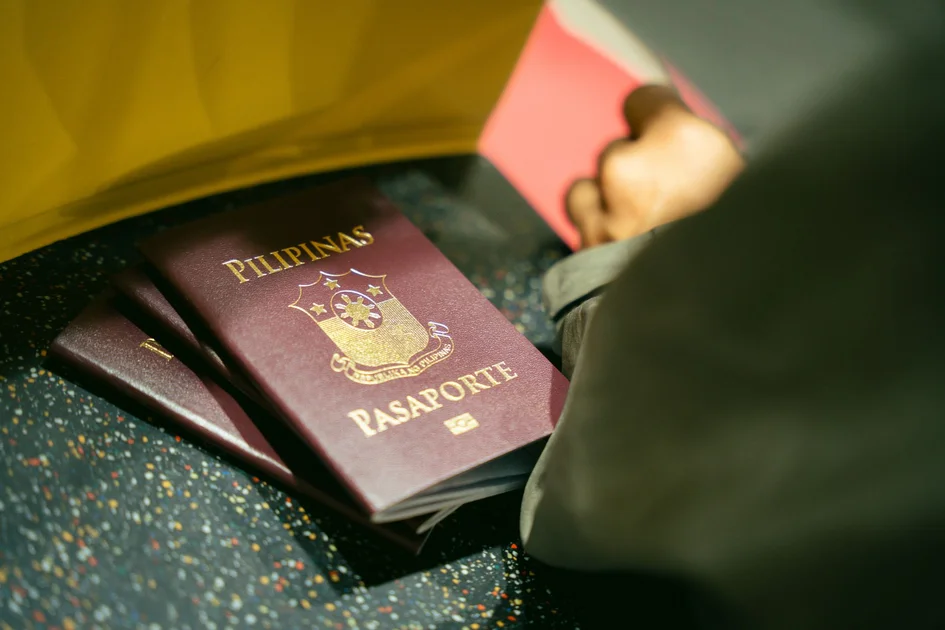
Insurance companies operate on the principle of verifiable loss, meaning every dollar claimed must be backed by a paper trail. When submitting your claim, organize your documents by category: medical, travel disruption, and personal belongings. For medical claims, ensure you have itemized bills that clearly distinguish between professional fees, medication costs, and facility charges. Insurers are skeptical of vague invoices, so insist on detailed statements from your healthcare provider. Keeping a diary of the events as they unfold can also help you recall specific details during the claims interview process.
In cases of trip interruption or cancellation, keep every receipt related to your original booking and any new expenses incurred. If your flight was canceled due to severe weather, a letter from the airline confirming the specific reason for the cancellation is invaluable. Furthermore, keep proof of payment, such as credit card statements or bank transfer confirmations. In 2026, many providers allow for digital submissions through dedicated mobile apps, which can expedite the review process significantly. Always keep the original physical copies of your documents until the claim is fully settled and the funds have cleared your account.
Pros and Cons Analysis

Navigating the claims landscape involves weighing the benefits of coverage against the administrative burdens involved. The primary benefit of a robust travel insurance policy is financial protection against catastrophic events that could otherwise bankrupt a traveler. With healthcare costs rising globally in 2026, having a policy that covers medical evacuation and specialized treatment is a necessity rather than a luxury. Furthermore, the peace of mind provided by 24/7 assistance services allows travelers to focus on recovery or resolution rather than logistics.
However, the drawbacks are centered on the complexity of the process and the strict adherence to policy exclusions. Many travelers find the documentation requirements overwhelming, leading to delays or claim denials. Policy fine print often contains specific “gotchas,” such as coverage limitations for high-risk activities or pre-existing conditions that were not properly disclosed. Additionally, the time required to gather evidence and communicate with adjusters can detract from the travel experience. Understanding these trade-offs is critical for choosing a policy that aligns with your risk tolerance and administrative capabilities.
Comparison of Coverage Options
| Feature | Basic Policy | Comprehensive Policy | Premium “Cancel for Any Reason” |
|---|---|---|---|
| Medical Coverage | Limited/Emergency Only | High Limit/Full Coverage | Full Coverage |
| Trip Cancellation | Specific Reasons Only | Broad Reasons | Any Reason (Up to 75%) |
| Baggage Delay | Minimum | Included | High Limit |
| Evacuation | Standard | Full Medical/Political | Full Medical/Political |
| Deductibles | High | Low/Zero | Zero |
| Cost | Budget-Friendly | Moderate | Expensive |
Real-World Claim Scenarios
Consider the case of a traveler in Tokyo who suffered an ankle fracture while hiking. Because they contacted the insurance company’s emergency line immediately, the insurer coordinated directly with a local hospital, ensuring the traveler received care without paying massive out-of-pocket fees. The hospital provided an itemized report, which the traveler uploaded via the insurer’s mobile portal. The claim was settled within ten days because the documentation was perfect. This scenario illustrates how proactive communication and adherence to insurer-recommended providers minimize financial friction.
Common Pitfalls to Avoid
Conversely, imagine a scenario where a traveler’s laptop was stolen in Paris. The traveler failed to file a police report, assuming the hotel would handle it. When they returned home and filed the claim, it was denied for lack of a police report. This highlights the importance of understanding the “duty to report” clause found in most policies. In another instance, a traveler booked a flight using points but tried to claim the full cash value of the ticket when it was canceled. Because they could not provide a receipt for the cash value, the claim was limited to the taxes and fees paid, leading to significant frustration.
Navigating Denials and Appeals
Receiving a denial letter is not necessarily the end of the road. Often, claims are rejected due to missing information or a misunderstanding of policy terms rather than an outright lack of coverage. If your claim is denied, carefully review the explanation provided by the insurer. If you believe the decision was based on incomplete data, you have the right to appeal. Gather additional documentation, such as expert opinions or further proof of circumstances, and draft a formal appeal letter that clearly addresses the specific reasons for the initial denial.
Persistence is key in the appeals process. Ensure your correspondence is professional, factual, and devoid of emotional language. You may also consult with your insurance broker or an ombudsman if you feel the insurer is acting in bad faith. By maintaining a calm, evidence-based approach, many travelers are able to overturn initial denials. It is also helpful to review the policy wording one final time to ensure your appeal aligns with the specific definitions and coverage parameters stated in your contract.
Key Takeaways
- Always notify your insurer immediately during an emergency to receive pre-approval for major costs.
- Obtain formal documentation, such as police reports or medical invoices, within 24 hours of any incident.
- Store digital copies of all receipts and correspondence in a secure, accessible cloud storage system.
- Read your policy fine print specifically for exclusion clauses related to high-risk activities or pre-existing conditions.
- Do not accept a denial as final; use the appeals process to clarify missing information or policy interpretations.
Frequently Asked Questions
What is the most common reason for claim denial?
The most common reason is a lack of sufficient documentation, such as failing to provide a police report for theft or an itemized medical bill for treatment.
Can I claim expenses if I didn’t keep the receipts?
Generally, no. Insurance companies require proof of payment to verify the financial loss, so keeping receipts is a non-negotiable part of the process.
Does my travel insurance cover me if I get sick with a virus?
In 2026, most comprehensive policies cover medical expenses for illness, but you must check if your specific policy includes pandemic-related coverage or exclusions.
How long does the average claim take to process?
Simple claims can be processed in 7 to 14 days, while complex cases involving medical evacuation or legal disputes may take several months.
Should I purchase insurance through my credit card or a third party?
Credit card coverage is often secondary and limited; dedicated third-party travel insurance usually offers more comprehensive benefits and higher coverage limits.
Conclusion
Mastering the travel insurance claim process empowers you to explore the world with confidence, knowing you have a reliable financial safety net. By prioritizing rigorous documentation, maintaining open communication with your provider, and understanding the nuances of your coverage, you transform a potentially stressful administrative task into a manageable procedure. As you plan your travels for 2026, remember that the quality of your preparation directly correlates with the ease of your claim experience. Stay vigilant, keep your records organized, and always advocate for yourself if you encounter hurdles along the way.