

Purchasing a standard comprehensive auto policy is a crucial step for every driver, but securing the top car insurance add on covers that can save you thousands in repair costs is how you truly bulletproof your financial future in 2026. While a base policy covers third-party liabilities and basic accidental damages, it often leaves massive gaps when it comes to depreciation, engine failures, and minor consumable parts. As vehicle technology becomes increasingly sophisticated, even a minor collision can result in eye-watering repair bills that standard policies only partially cover. By strategically selecting specific optional riders, vehicle owners can shift the financial burden of unexpected mechanical repairs, towing fees, and component replacements entirely onto their insurers. Understanding how these specialized add-ons function is the key to maximizing your policy’s value and ensuring total peace of mind on the road.
Zero Depreciation Cover: The Ultimate Shield
Standard car insurance policies factor in the natural wear and tear of your vehicle, meaning insurers deduct depreciation before settling claims for damaged parts. This is where zero depreciation cover, often called bumper-to-bumper insurance, becomes indispensable for modern car owners. When you file a claim with this rider active, the insurance provider pays the entire cost of replacing parts made of plastic, fiber, glass, and rubber without deducting any depreciation value. For premium or luxury vehicle owners, this single addition can save thousands of dollars during a major repair, making it one of the most financially sound investments you can make when renewing your policy.
In 2026, with the rising costs of advanced driver assistance systems (ADAS) and integrated sensors located in bumpers and side mirrors, replacing these high-tech components is incredibly expensive. Without a zero depreciation add-on, you could easily find yourself paying 30% to 50% of the material costs out of pocket, even if the accident was not your fault. This cover is typically available for vehicles up to five years old, though some specialized insurers extend this coverage to older cars for an adjusted premium. It effectively bridges the gap between the actual cash value of your vehicle’s parts and their brand-new replacement costs.
It is important to note that while zero depreciation cover is highly comprehensive, it usually limits the number of claims you can make within a single policy year. Insurers typically restrict these claims to two or three per term to prevent abuse, although premium policies may offer unlimited claims for a higher rate. Additionally, this rider does not cover standard wear and tear, mechanical breakdowns independent of an accident, or damage to non-insured accessories. By pairing this cover with your primary comprehensive plan, you ensure that your out-of-pocket expenses remain virtually zero after an unfortunate road incident.
Engine Protection Cover for Critical Failures

The engine is the heart of your vehicle, and repairing or replacing it is easily one of the most expensive automotive challenges you can face. Standard comprehensive car insurance policies specifically exclude damage to the engine resulting from hydrostatic lock or oil leakage unless it is a direct consequence of a collision. An engine protection cover is designed to safeguard you against these exact scenarios, which frequently occur during heavy rainfall, urban flooding, or when driving through deep waterlogged streets. With climate volatility causing increased flooding events globally, this specific add-on has transitioned from a luxury option to an absolute necessity for urban commuters.
Hydrostatic lock occurs when water enters the engine combustion chamber, causing severe and often irreversible mechanical failure as water cannot be compressed like fuel. If you attempt to start a waterlogged car, the resulting internal pressure can bend piston rods, crack the engine block, and destroy the crankshaft. The engine protection cover pays for the complete repair or replacement of these internal engine parts, including the gearbox assembly, which would otherwise cost thousands of dollars. It provides a vital financial safety net, especially for low-clearance sedans and electric or hybrid vehicles where powertrain components are highly sensitive to water intrusion.
Understanding Hydrostatic Lock Risks
Many drivers do not realize that simply turning the ignition key after their vehicle has been submerged in water can void standard insurance coverages due to consequential damage. Insurance loss adjusters view this action as driver negligence rather than accidental damage. By securing an engine protection rider, you ensure that even these complex mechanical failures are fully covered under your policy. According to automotive experts at Consumer Reports, engine replacements in modern vehicles can easily exceed five thousand dollars, making this add-on exceptionally cost-effective for modern car owners.
Roadside Assistance: Your 24/7 Safety Net
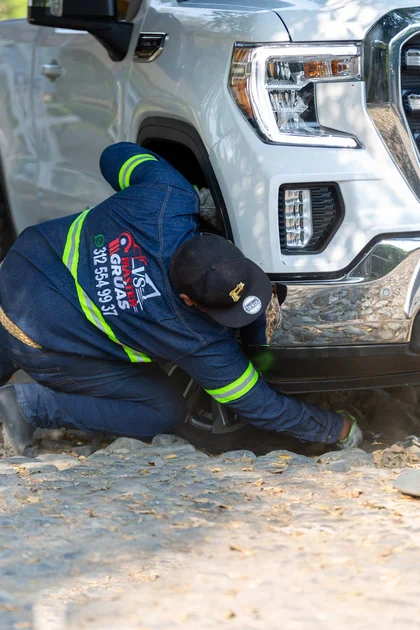
Getting stranded on a deserted highway due to a flat tire, dead battery, or empty fuel tank is a stressful experience that every driver dreads. Roadside assistance is an invaluable car insurance add-on cover that provides round-the-clock emergency support, ensuring you are never left helpless. Whether you require emergency towing to the nearest authorized garage, on-site minor mechanical repairs, battery jump-starts, or fuel delivery, roadside assistance dispatchers are just a phone call away. This coverage is especially beneficial for families, frequent long-distance travelers, and individuals who regularly commute during late-night hours or through remote areas where help is otherwise hard to find.
The financial savings of having roadside assistance integrated into your auto insurance policy are substantial when compared to calling independent towing services. Emergency towing charges on major highways can quickly escalate into hundreds of dollars, especially during holidays, weekends, or severe weather conditions. Furthermore, roadside assistance programs often include additional premium benefits such as taxi coordination, emergency accommodation assistance if your vehicle cannot be repaired immediately, and key replacement services. It acts as an affordable, comprehensive safety net that protects both your physical safety and your wallet from unexpected road hazards throughout the year.
Return to Invoice Cover for Total Loss Scenarios

In the unfortunate event that your vehicle is stolen or suffers constructive total loss from a severe accident, a standard policy only pays the Insured Declared Value. The Insured Declared Value is the market value of your car adjusted for depreciation, which is always significantly lower than the price you originally paid. When reviewing the top car insurance add on covers that can save you thousands in repair costs, Return to Invoice stands out as the premier protection against total depreciation. This premium rider ensures that the insurance company pays you the original invoice price of the vehicle, including registration charges and road taxes.
This specific cover is highly recommended for brand-new cars during their first three to five years of ownership, when depreciation rates are at their absolute highest. If your vehicle is totaled in its third year, the standard depreciation could easily wipe out thirty percent of its claimable value, leaving you with a massive loan balance or a major financial shortfall. With Return to Invoice cover active, you receive a payout equivalent to the vehicle’s original purchase price, effectively neutralizing the devastating financial impact of a total loss. It offers unmatched financial security, ensuring that your long-term automotive investment remains fully protected.
Consumables Cover: Managing Hidden Expenses
During major vehicle repairs, standard insurance policies explicitly exclude the cost of consumable items, which are materials that cannot be reused once consumed. These items include engine oil, gear oil, brake fluids, coolants, nuts, bolts, screws, washers, and oil filters. While these individual components may seem inexpensive, their cumulative cost during a major engine repair or gearbox overhaul can add up to hundreds of dollars. By adding a consumables cover to your car insurance policy, you ensure that the insurer pays for these minor yet essential items, preventing unexpected out-of-pocket expenses at the service center during claim settlements.
Many car owners are shocked to receive a hefty bill for fluids and fasteners after their vehicle has undergone extensive accident repairs. This add-on eliminates those surprises, aligning perfectly with zero depreciation policies to provide a truly cashless, worry-free repair experience. In 2026, as vehicles utilize specialized synthetic fluids and advanced lubricants that carry premium price tags, the value of consumables cover has risen significantly. It is an extremely affordable rider that offers disproportionate financial relief, making it a highly recommended choice for anyone seeking absolute coverage and wishing to avoid unexpected out-of-pocket liabilities.
Key Replacement and Lockout Protection
Modern automotive keys are no longer simple pieces of carved metal; they are highly advanced electronic devices equipped with transponders, microchips, and remote entry systems. Losing a modern smart key or having it damaged can be an incredibly expensive headache, with replacements often requiring specialized programming from authorized dealerships. A key replacement add-on cover protects you from these exorbitant costs by covering the expenses associated with replacing lost, stolen, or damaged keys. Additionally, this rider often covers the cost of replacing the entire lock transmitter system if the physical security of your vehicle is compromised.
The cost of replacing a high-tech smart key in 2026 can range anywhere from three hundred to over one thousand dollars depending on the vehicle’s make and model. This add-on cover ensures you do not have to absorb this unexpected financial blow out of pocket. Many policies also extend this coverage to include emergency locksmith services if you accidentally lock yourself out of your vehicle. According to data monitored by the National Highway Traffic Safety Administration, vehicle security systems have become increasingly sophisticated, making professional key replacement a highly specialized technical service.
Quick Facts & Statistical Insights
Industry Statistics and Insights:
- Depreciation Deficit: According to the Insurance Information Institute, a new vehicle loses approximately 20% of its value within the first twelve months of ownership, making Return to Invoice covers highly lucrative.
- Rising Repair Costs: In 2026, the average cost of electronic and sensor-related collision repairs has increased by 35% compared to five years ago, driven by the widespread integration of ADAS technologies.
- Water Damage Trends: Hydrological data reveals that engine damage from urban flash floods has risen by 40% over the last decade, highlighting the critical importance of Engine Protection riders.
- Key Replacement Expenses: Replacing a modern digital or smart key fob in 2026 costs an average of $450, a cost completely excluded from standard base insurance plans.
Comparison Table / Specifications Table
| Add-On Cover Name | Core Coverage Highlight | Estimated Annual Premium (2026) | Potential Out-of-Pocket Savings |
|---|---|---|---|
| Zero Depreciation Cover | Pays 100% of parts replacement cost without depreciation deductions | $150 – $350 | $1,500 – $5,000+ |
| Engine Protection Cover | Covers hydrostatic lock, engine seizure, and gearbox damage from water ingress | $80 – $180 | $3,000 – $8,000+ |
| Return to Invoice Cover | Pays original invoice value, registration, and road tax in case of total loss | $100 – $250 | $5,000 – $15,000+ |
| Roadside Assistance | 24/7 towing, battery jump-start, flat tire repair, and lockout support | $30 – $70 | $200 – $800 per incident |
| Consumables Cover | Pays for engine oil, coolants, nuts, bolts, and filters during claims | $20 – $50 | $150 – $500 per repair |
| Key Replacement Cover | Covers cost of replacing high-tech electronic keys and lock reprogramming | $15 – $40 | $300 – $1,200 |
Key Takeaways
- Complete Depreciation Shield: Zero depreciation cover eliminates out-of-pocket expenses for plastic, fiber, and glass parts during accident repairs.
- Essential Hydrological Protection: Engine protection riders prevent devastating financial losses from hydrostatic lock and oil leaks caused by heavy flooding.
- All-Inclusive Total Loss Recovery: Return to invoice cover ensures you receive the original purchase price of your car if it is stolen or completely totaled.
- Elimination of Hidden Fees: Consumables cover takes care of the costs of fluids, lubricants, and minor fasteners that standard policies exclude.
- High-Tech Key Safeguards: Key replacement add-ons protect against the high cost of programming and replacing modern electronic smart keys in 2026.
- Constant Peace of Mind: Roadside assistance provides emergency towing, fuel delivery, and flat tire support 24/7, protecting your safety on remote roads.
Frequently Asked Questions
Can I buy car insurance add-on covers at any time during my policy term?
When choosing the top car insurance add on covers that can save you thousands in repair costs, timing is everything. Generally, you can only purchase car insurance add-on covers at the time of buying a new policy or during your annual policy renewal. Insurers typically do not allow policyholders to add riders mid-term to prevent fraudulent claims immediately following an uninsured incident. It is best to evaluate your driving habits and environmental risks before your renewal date to select the most beneficial covers for the upcoming year.
Is zero depreciation cover available for older cars in 2026?
Most standard insurance providers limit zero depreciation coverage to vehicles that are less than five years old, as older cars have significantly higher wear and tear. However, in 2026, several niche and premium insurance companies offer specialized zero depreciation riders for vehicles up to seven or eight years old, though these come with higher premium rates and stricter claim limits.
Does engine protection cover mechanical breakdowns due to poor maintenance?
No, engine protection riders specifically cover damages resulting from external factors such as water ingress (hydrostatic lock) or physical accidents causing oil leakage. They do not cover mechanical failures or engine seizures that result from a lack of regular maintenance, driving with low engine oil, or general wear and tear over time. Regular vehicle servicing remains mandatory to keep your warranty and insurance valid.
Is the Return to Invoice add-on worth it for a leased car?
Yes, Return to Invoice (RTI) cover is highly beneficial for leased or financed cars. If a financed vehicle is declared a total loss, the standard insurance payout (based on depreciated market value) is often less than the outstanding loan balance. RTI cover ensures you receive the full original invoice amount, allowing you to settle the finance company completely and avoid paying out of pocket for a car you can no longer drive.
What items are typically excluded from consumables cover?
While consumables cover is highly inclusive, it typically excludes fuel, specialized aftermarket additives, and materials used during routine maintenance rather than accident repairs. The cover is strictly triggered during an active, approved accident claim where consumables must be replaced as part of the restoration process. Always review your policy’s fine print to understand specific exclusions.
Conclusion
Navigating the complexities of auto repairs in 2026 requires a proactive approach to insurance. While standard comprehensive policies offer foundational protection, they often leave vehicle owners vulnerable to substantial out-of-pocket expenses due to depreciation, technical components, and exclusion clauses. By investing in the top car insurance add on covers that can save you thousands in repair costs, you effectively shift these financial risks to your insurer. Assess your specific driving habits, local environmental risks, and vehicle age to customize a policy that offers robust, cost-effective protection, ensuring your finances remain secure through any journey.