

Navigating the labyrinthine world of insurance coverage explained how to find the right protection for your needs feels less like a financial decision and more like an attempt to decipher an ancient, curse-laden scroll. In 2026, the insurance landscape has evolved into a complex ecosystem of algorithmic pricing and hyper-specific policy riders that can leave even the most diligent adult weeping over a stack of declarations pages. Whether you are safeguarding your sentient smart-home or merely trying to ensure your vintage hover-scooter doesn’t bankrupt you after a fender bender, the principles of risk management remain suspiciously consistent. We are here to strip away the jargon, ignore the terrifying fine print for a moment, and help you construct a safety net that actually catches you rather than tangling you in expensive, useless twine.
The Anatomy of Your Risk Profile
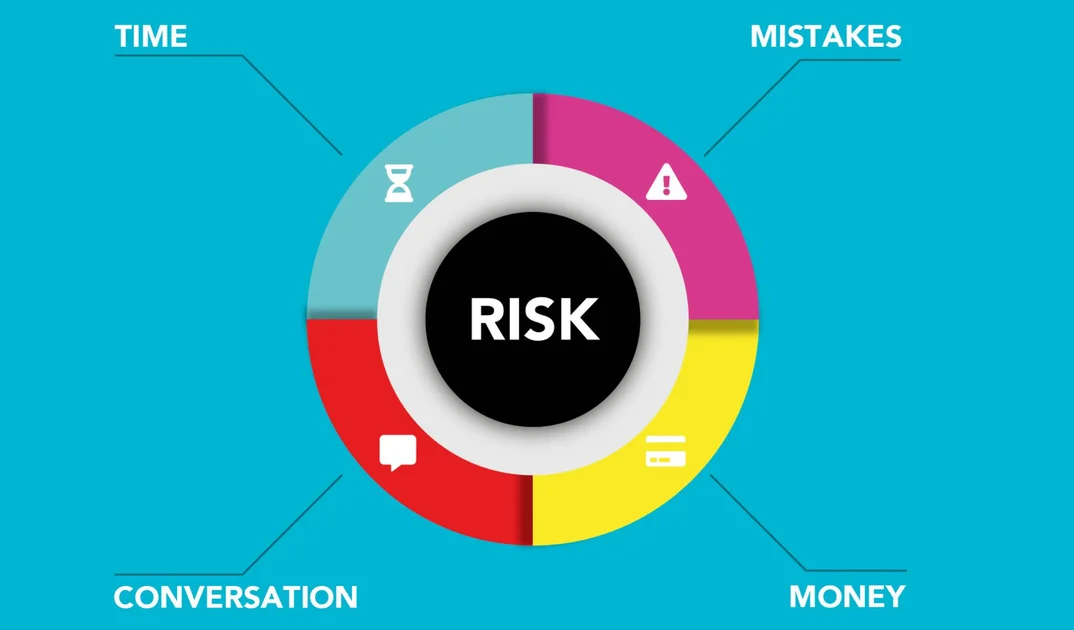
Before you start throwing money at an insurance agent like you are at a high-stakes auction, you must perform an honest audit of your life. In 2026, we are no longer just insuring physical assets; we are insuring digital identities, remote-work setups, and the occasional liability arising from a rogue delivery drone. Assessing your risk profile is not about imagining the worst-case scenario where a meteor hits your roof, but rather identifying the mundane mishaps that could derail your bank account. If you are a freelance digital nomad, your needs differ wildly from a suburbanite with a two-car garage and a collection of rare, antique ceramic cats.
Consider your personal tolerance for financial pain, which is just a polite way of asking how much you can afford to lose if things go sideways. High deductibles might lower your monthly premiums, but they require a robust emergency fund to be effective. If you find yourself sweating at the thought of a two-thousand-dollar repair bill, steer clear of the high-deductible trap. By aligning your coverage limits with your actual exposure, you avoid the common pitfall of paying for protection against events that are statistically impossible for your lifestyle, while simultaneously ensuring you are not underinsured when reality inevitably bites back.
Comparison Table of Coverage Options
| Feature | Basic Liability | Comprehensive Plan | Premium Umbrella | Notes |
|---|---|---|---|---|
| Asset Protection | Minimal | High | Extensive | Depends on net worth |
| Deductible Levels | Very High | Moderate | Low | Inverse to premium |
| Digital Risk | None | Included | Total Coverage | Crucial for 2026 |
| Legal Fees | Excluded | Partial | Full Support | Vital for lawsuits |
| Customization | Low | Medium | Unlimited | Tailored to lifestyle |
| Cost Efficiency | High | Balanced | Low | Budget dependent |
The Pros and Cons of Modern Policies

Every policy you encounter in 2026 comes with a trade-off that insurance companies hope you are too distracted to notice. The primary benefit of a comprehensive policy is the sheer peace of mind it provides, acting as a financial shock absorber that keeps your life on track during chaotic events. You gain access to professional legal representation and expert claims adjusters who, despite their reputation, actually serve a vital function in settling disputes. However, the drawbacks are equally significant, as these policies often come with suffocating premiums that grow annually, regardless of whether you have ever filed a claim or remained a model, accident-free citizen.
Understanding the Fine Print
The dark underbelly of the insurance industry is, of course, the exclusion clause. These are the beautifully crafted paragraphs that explain, in excruciating detail, why your specific catastrophe is not actually covered. Whether it is an act of god, a technicality regarding the age of your plumbing, or a failure to update your security protocols, these clauses are designed to protect the insurer’s bottom line. The savvy consumer must read these sections as if they were a mystery novel, looking for the plot holes that could leave them financially exposed. Always verify the definitions of “peril” and “replacement value” to ensure you are not buying a policy that depreciates your assets to zero.
Navigating the Maze of Deductibles
Think of your deductible as the entry fee you pay to participate in the insurance company’s benevolence. In 2026, many consumers are opting for “vanishing deductibles,” which is a fancy way of saying the company rewards your loyalty by slowly reducing your out-of-pocket costs over time. This sounds appealing, but it often locks you into a specific carrier for years, preventing you from jumping ship when a cheaper competitor enters the market. It is a classic tactical maneuver that keeps you tethered to a brand that might eventually stop being the most cost-effective choice for your evolving financial needs.
Choosing the right deductible requires a cold, hard look at your savings. If you have ten thousand dollars stashed in a high-yield account, you can afford a higher deductible, which drastically lowers your monthly overhead. Conversely, if your bank account balance looks more like a phone number from the 1990s, you need a low deductible to ensure that a minor incident does not turn into a personal bankruptcy. Never let a smooth-talking agent convince you that a high deductible is “just standard” without verifying that you have the liquidity to actually cover that amount when the unexpected happens.
Digital Risks and Cybersecurity

We are living in an era where your refrigerator can be hacked and your smart-locks can be held for digital ransom. Traditional homeowners insurance is often woefully inadequate when it comes to the modern digital landscape. In 2026, you should be looking for riders that specifically address cyber-extortion, identity theft, and the loss of digital assets. If you work from home, your business equipment might not be covered under a standard residential policy, leaving you vulnerable to significant losses if a hardware failure or a cyber-attack renders your office useless.
Do not assume that your home network is safe just because you have a strong password. Insurance providers are now offering specialized digital protection plans that include 24/7 technical support and incident response teams. While this might sound like overkill, consider the cost of losing your entire digital archive or having your bank accounts compromised by a sophisticated phishing scheme. Adding a digital protection rider is one of the most proactive steps you can take to safeguard your modern life. It is far cheaper to pay a small monthly premium for cyber-coverage than it is to hire a forensic IT team after your data has been encrypted by a malicious actor.
Key Takeaways
- Always audit your assets annually to ensure your coverage limits match your current net worth.
- Prioritize liquidity in your emergency fund to support a higher deductible and lower premiums.
- Read the exclusion clauses with the intensity of a forensic accountant looking for tax fraud.
- In 2026, cyber-insurance is no longer optional for anyone with an internet-connected home.
- Do not hesitate to switch providers if your current carrier stops offering competitive rates.
- Consult an independent broker rather than a captive agent to get an unbiased view of the market.
Frequently Asked Questions
What is the biggest mistake people make with insurance?
The most common error is failing to update policies as life changes, leaving them either over-insured on depreciated assets or dangerously under-insured during major life events.
Should I bundle my home and auto insurance?
Bundling often provides a discount, but it is not a universal rule; always compare the bundle price against separate policies to ensure you are actually saving money.
How often should I review my insurance coverage?
A comprehensive review should occur annually or immediately following significant life changes, such as buying a home, getting married, or acquiring valuable business equipment.
What does “replacement value” mean exactly?
Replacement value covers the cost to replace your item with a brand-new equivalent, whereas “actual cash value” only pays out based on the item’s depreciated market price.
Can I negotiate my insurance premiums?
While you cannot usually haggle like you are at a bazaar, you can negotiate by adjusting coverage limits, raising deductibles, or presenting evidence of new security installations.
Conclusion
Finding the right protection for your needs is a dynamic process that requires vigilance, common sense, and a healthy dose of skepticism toward glossy brochures. In 2026, the power remains in the hands of the informed consumer who takes the time to understand their specific risks and refuses to accept one-size-fits-all solutions. By maintaining a clear view of your financial reality and constantly questioning the value of your current policies, you can build a robust shield against the unpredictable nature of modern life. Stay proactive, stay skeptical, and keep your documentation organized, because the best insurance is the one you never actually have to use.