

Choosing health insurance that covers pre-existing diseases without long waiting periods is a crucial decision for individuals and families in 2026. With the rising cost of medical care, it’s essential to have a comprehensive health insurance plan that provides financial protection against unexpected medical expenses. When searching for a health insurance plan, it’s vital to consider the waiting period for pre-existing diseases, as it can significantly impact the effectiveness of the coverage. In this article, we’ll explore the factors to consider when selecting a health insurance plan that covers pre-existing diseases without long waiting periods.
Understanding Pre-Existing Diseases
A pre-existing disease is a medical condition that exists before the purchase of a health insurance policy. Insurance companies typically have a waiting period for pre-existing diseases, which can range from a few months to several years. During this period, the insurance company may not cover the treatment costs for the pre-existing condition. However, some insurance plans offer coverage for pre-existing diseases without a long waiting period, making them an attractive option for individuals with pre-existing medical conditions.
According to a report by the World Health Organization, the prevalence of pre-existing diseases is increasing globally, making it essential to have a health insurance plan that provides adequate coverage. Insurance companies like Cigna and UnitedHealthcare offer a range of health insurance plans that cover pre-existing diseases, but it’s crucial to review the policy terms and conditions carefully.
Factors to Consider

When choosing a health insurance plan that covers pre-existing diseases, there are several factors to consider. The waiting period for pre-existing diseases is a critical factor, as it can significantly impact the effectiveness of the coverage. Other factors to consider include the premium cost, deductible, co-pay, and out-of-pocket maximum. It’s essential to review the policy terms and conditions carefully to ensure that the plan provides adequate coverage for pre-existing diseases.
In addition to the waiting period, it’s also important to consider the insurance company’s reputation, financial stability, and customer service. A reputable insurance company with a strong financial foundation and excellent customer service can provide peace of mind and ensure that claims are processed efficiently.
Comparison Table / Specifications Table
The following comparison table highlights the key features of health insurance plans that cover pre-existing diseases:
| Feature | Option A | Option B | Notes |
|---|---|---|---|
| Waiting Period for Pre-Existing Diseases | 30 days | 60 days | Waiting period for pre-existing diseases varies between insurance plans |
| Premium Cost | $500/month | $700/month | Premium cost varies depending on the insurance plan and individual circumstances |
| Deductible | $1,000/year | $2,000/year | Deductible amount varies between insurance plans |
| Co-Pay | $20/visit | $30/visit | Co-pay amount varies between insurance plans |
| Out-of-Pocket Maximum | $5,000/year | $10,000/year | Out-of-pocket maximum varies between insurance plans |
Pros and Cons Analysis
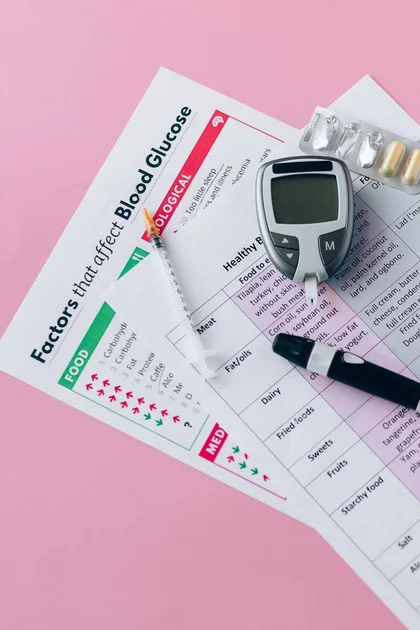
A health insurance plan that covers pre-existing diseases without a long waiting period can provide significant benefits, including financial protection against unexpected medical expenses. However, there are also potential drawbacks to consider, such as higher premium costs and limited provider networks. It’s essential to weigh the pros and cons carefully and consider individual circumstances before selecting a health insurance plan.
Advantages of Comprehensive Coverage
A comprehensive health insurance plan that covers pre-existing diseases can provide peace of mind and financial security. With a comprehensive plan, individuals can access necessary medical treatment without worrying about the cost. Additionally, a comprehensive plan can help prevent financial ruin in the event of a medical emergency.
Key Takeaways
When choosing a health insurance plan that covers pre-existing diseases, it’s essential to consider the following key takeaways:
- Review the waiting period for pre-existing diseases carefully
- Consider the premium cost, deductible, co-pay, and out-of-pocket maximum
- Research the insurance company’s reputation, financial stability, and customer service
- Compare different health insurance plans to find the best option for individual circumstances
- Consult with a licensed insurance agent or broker to get personalized advice
- Read reviews and check ratings from other customers to get an idea of the insurance company’s performance
Frequently Asked Questions

What is a pre-existing disease?
A pre-existing disease is a medical condition that exists before the purchase of a health insurance policy. Insurance companies typically have a waiting period for pre-existing diseases, which can range from a few months to several years.
How do I choose a health insurance plan that covers pre-existing diseases?
When choosing a health insurance plan that covers pre-existing diseases, it’s essential to consider the waiting period, premium cost, deductible, co-pay, and out-of-pocket maximum. Research the insurance company’s reputation, financial stability, and customer service, and compare different health insurance plans to find the best option for individual circumstances.
What is the difference between a comprehensive and limited health insurance plan?
A comprehensive health insurance plan provides broad coverage for medical expenses, including pre-existing diseases, while a limited plan provides limited coverage for specific medical conditions. A comprehensive plan is typically more expensive than a limited plan but provides greater financial protection against unexpected medical expenses.
How do I find a reputable insurance company?
To find a reputable insurance company, research the company’s reputation, financial stability, and customer service. Check ratings and reviews from other customers, and consult with a licensed insurance agent or broker to get personalized advice.
Can I switch to a different health insurance plan if I’m not satisfied with my current plan?
Yes, you can switch to a different health insurance plan if you’re not satisfied with your current plan. However, it’s essential to review the new plan’s terms and conditions carefully and consider any potential changes to the waiting period, premium cost, deductible, co-pay, and out-of-pocket maximum.
Conclusion
In conclusion, choosing a health insurance plan that covers pre-existing diseases without long waiting periods requires careful consideration of several factors, including the waiting period, premium cost, deductible, co-pay, and out-of-pocket maximum. By researching the insurance company’s reputation, financial stability, and customer service, and comparing different health insurance plans, individuals can find the best option for their individual circumstances and enjoy financial protection against unexpected medical expenses in 2026.