

Pet insurance helps cover emergency treatments, surgeries, and ongoing care by providing a structured financial safety net against the rising costs of modern veterinary medicine in 2026. As veterinary technology advances, diagnostic capabilities and specialized surgical interventions have become significantly more expensive, often creating a difficult decision-making environment for pet owners during medical crises. By transferring the risk of high-cost events to an insurance provider, policyholders can focus on clinical outcomes rather than budgetary constraints. This strategic approach to pet ownership ensures that companion animals receive access to the same standards of care found in human healthcare, including MRI imaging, oncology protocols, and orthopedic procedures. Understanding the nuances of these policies is essential for any responsible owner looking to mitigate the impact of unexpected veterinary expenses effectively.
Understanding Veterinary Coverage Mechanisms
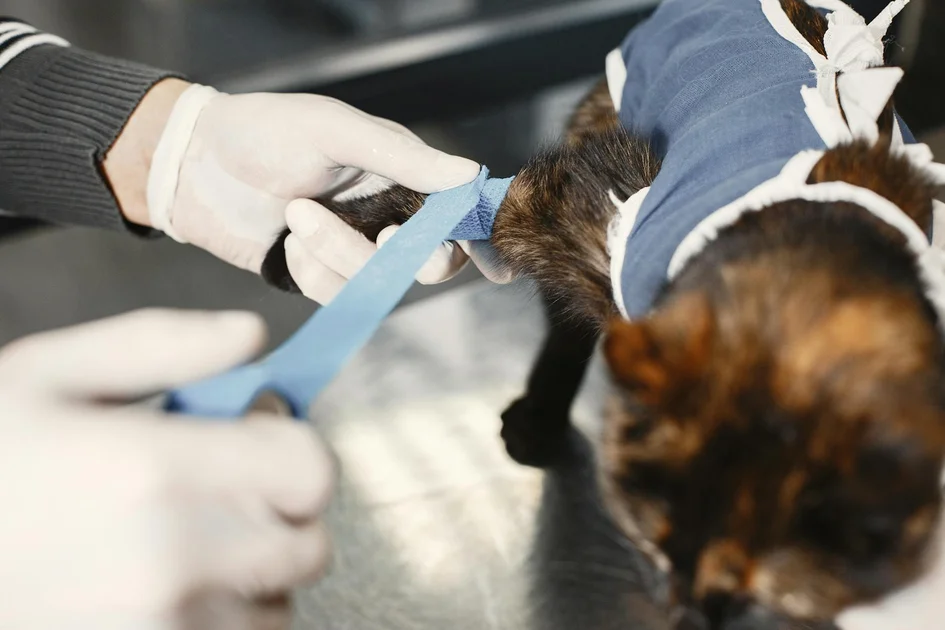
The core function of pet insurance is to reimburse owners for eligible veterinary expenses after a deductible has been met. In 2026, most comprehensive plans utilize a percentage-based reimbursement model, typically covering between 70% and 90% of the total invoice. When a pet requires emergency treatment, the owner generally pays the veterinary clinic upfront, subsequently submitting a claim to the insurance carrier for processing. This model is preferred by many clinics because it avoids the administrative burden of direct billing, ensuring that the veterinary facility receives prompt payment for services rendered during high-pressure emergency scenarios.
Ongoing care coverage is a critical component for pets diagnosed with chronic conditions like diabetes, arthritis, or heart disease. Unlike basic accident-only policies, comprehensive plans often include provisions for prescription medications, diagnostic testing, and follow-up consultations. By integrating these costs into a monthly premium, owners can stabilize their household finances over the long term. It is important to note that most providers require a waiting period for illnesses, which emphasizes the necessity of enrolling pets while they are still healthy and young. This proactive management strategy remains the gold standard for responsible pet care in the contemporary landscape.
Emergency Surgery and Critical Care

Emergency surgery often represents the most significant financial burden for pet owners, frequently involving trauma, foreign body ingestion, or acute internal conditions. Modern pet insurance policies are specifically designed to handle these volatile costs, which can easily reach thousands of dollars in a single weekend. By having a policy in place, owners gain access to specialized surgical centers that might otherwise be prohibitively expensive. This access ensures that life-saving procedures, such as emergency laparotomies or fracture repairs, are not delayed by financial negotiations, thereby significantly improving the prognosis for the animal.
The Role of Specialized Care Centers
Specialized referral hospitals often operate differently than general practice clinics, frequently requiring deposits for critical care interventions. Insurance providers have adapted to this 2026 market environment by offering rapid pre-authorization services for complex surgical procedures. This administrative support provides peace of mind, as owners can confirm the scope of their coverage before committing to expensive, invasive interventions. Furthermore, the inclusion of diagnostic imaging like CT scans and ultrasounds within these emergency packages allows for precise, data-driven treatment plans that minimize unnecessary procedures while maximizing the efficacy of the care delivered.
Comparison Table of Coverage Options

| Feature | Accident Only | Comprehensive Care | Wellness Add-on |
|---|---|---|---|
| Emergency Surgery | Covered | Covered | Not Included |
| Chronic Conditions | Not Covered | Covered | Not Included |
| Routine Vaccines | Not Covered | Optional | Covered |
| Diagnostic Imaging | Covered | Covered | Not Included |
| Prescription Meds | Limited | Covered | Not Included |
| Waiting Periods | Short | Standard | None |
Cost and Pricing Breakdown
Budgeting for pet insurance requires an understanding of how premiums are calculated based on breed, age, and geographic location. In 2026, the average monthly premium for a comprehensive plan ranges from $35 to $75, depending on the chosen reimbursement level and annual deductible. Owners should consider the following breakdown when evaluating potential plans:
- Low-Deductible Plans: Higher monthly premiums but lower out-of-pocket costs during a medical emergency.
- High-Deductible Plans: Lower monthly premiums, ideal for those who prefer to self-insure smaller costs while protecting against catastrophic events.
- Age-Based Tiering: Premiums typically increase as the pet ages, reflecting the higher statistical probability of diagnostic and surgical needs.
- Geographic Adjustments: Costs are often higher in urban centers where veterinary overhead and laboratory fees are generally inflated.
- Multi-Pet Discounts: Many providers now offer 5% to 10% discounts for households insuring two or more pets simultaneously.
Ongoing Care for Chronic Conditions
Managing a chronic condition requires a long-term financial commitment that can strain even the most disciplined household budget. Insurance policies that cover ongoing care provide a vital buffer against the compounding costs of monthly medication, recurring blood work, and specialist visits. By securing coverage early, owners ensure that their pet’s chronic health needs do not become a barrier to quality of life. This aspect of the policy is particularly valuable for older animals, where the frequency of health screenings increases significantly as part of standard veterinary protocols.
The integration of digital health records has streamlined the process of managing chronic care claims in 2026. Most veterinary practices now use cloud-based platforms that allow for the seamless submission of medical history to insurance providers. This technological integration reduces the risk of claim denials due to missing information or clerical errors. For owners of pets with lifelong needs, this administrative efficiency is as important as the monetary reimbursement itself. It allows the owner to focus entirely on the pet’s comfort and medication adherence rather than the complexities of documentation and reimbursement requests.
Key Takeaways
- Pet insurance acts as a financial safeguard for unexpected medical crises and surgeries.
- Comprehensive plans offer the best value by covering both acute emergencies and long-term chronic conditions.
- Enrolling at a young age is crucial to avoid exclusions related to pre-existing conditions.
- Reimbursement models vary, so evaluating deductibles against monthly premiums is essential for budget planning.
- Technological integration in 2026 has made the claims process faster and more transparent for the average consumer.
- Consulting with veterinary professionals can help identify which coverage levels best suit a pet’s specific breed-related health risks.
Frequently Asked Questions
Does pet insurance cover pre-existing conditions?
Most providers exclude pre-existing conditions from coverage. This is why it is critical to obtain a policy while the pet is young and healthy, before any symptoms or diagnoses occur.
How long are the waiting periods for new policies?
Waiting periods typically range from 2 days for accidents to 14 days for illnesses. Some providers may have extended periods for specific conditions like cruciate ligament injuries.
Can I choose any veterinarian for treatment?
Yes, most reputable pet insurance companies allow you to visit any licensed veterinarian, specialist, or emergency hospital, ensuring you have total control over your pet’s care.
Are dental procedures included in standard plans?
Basic plans often cover dental injuries from accidents, but elective or routine dental cleaning usually requires an add-on or a specific comprehensive policy.
What happens if my pet’s premium increases annually?
Premiums often adjust based on your pet’s age and the overall cost of veterinary care in your area. Reviewing your policy annually helps you decide if your current plan still meets your needs.
Conclusion
Navigating the complexities of veterinary medicine requires both compassion and financial foresight. As we move through 2026, the availability of comprehensive insurance options has transformed how owners approach the health and longevity of their companions. By investing in a robust policy, you provide your pet with the best possible chance at recovery during emergencies and consistent support for chronic health challenges. This proactive decision removes the burden of financial stress, allowing you to prioritize the well-being of your animal above all else. Ultimately, pet insurance is an essential tool for providing the high-standard, modern care that every pet deserves.