

Navigating the global supply chain as a business owner can feel like a high-stakes gamble, which is why understanding how marine insurance protects cargo owners against shipping losses and damages is essential in 2026. Whether you are moving electronics across the Pacific or transporting boutique textiles by rail, the risks of transit—ranging from rough seas to port congestion and mechanical failure—are constant companions. Many newcomers to international trade mistakenly assume that the carrier’s liability covers the full value of their goods, but in reality, international maritime law often limits these payouts to a fraction of the actual cost. Securing a robust marine insurance policy acts as a vital financial safety net, ensuring that your capital remains protected even when unforeseen disasters occur during the long journey from origin to destination.
Why Carriers Are Not Enough
One of the most persistent myths in the shipping industry is the belief that freight forwarders or shipping lines are fully responsible for lost or damaged goods. In truth, the liability of a carrier is strictly governed by international conventions like the Hague-Visby Rules, which cap the amount of compensation payable per package or unit. In 2026, these limits are often far lower than the actual commercial value of the cargo you are shipping. If your container falls overboard or suffers water damage, you might find yourself recovering pennies on the dollar unless you have independent coverage.
Beyond the legal caps, proving carrier negligence is a notoriously difficult and time-consuming process. You would often need to demonstrate that the shipping company failed in their duty of care, which requires extensive evidence and often expensive legal intervention. Marine insurance provides a much more direct path to recovery. By purchasing a dedicated policy, you transfer the financial risk to an insurer who is motivated to settle claims efficiently, allowing your business to maintain cash flow and focus on operations rather than fighting lengthy court battles with overseas shipping entities.
Types of Coverage Available
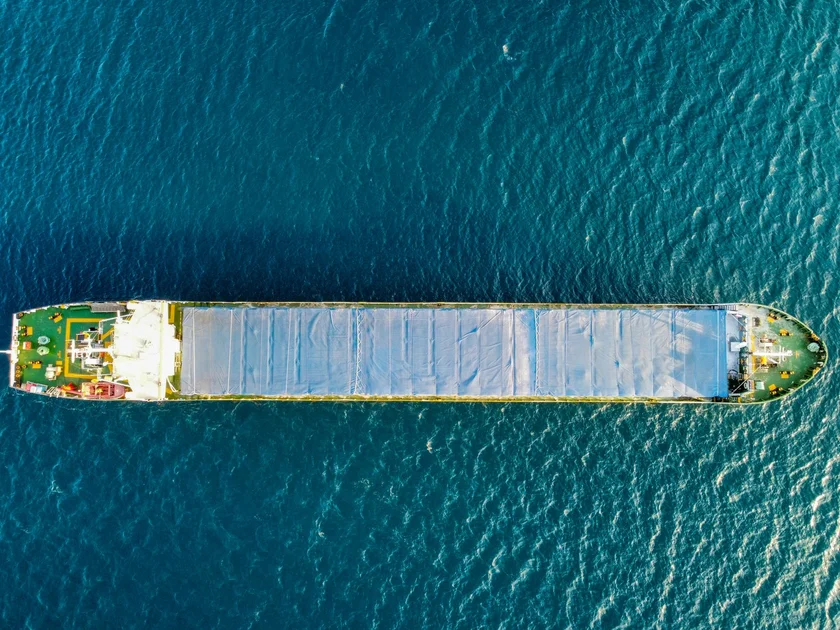
When you start researching protection for your goods, you will quickly encounter the Institute Cargo Clauses, which form the backbone of global shipping insurance. These clauses are categorized into letters, with Clause A providing the most comprehensive protection, often referred to as all-risks coverage. This includes protection against physical loss or damage resulting from external causes, such as fire, explosion, or vessel stranding. It is the gold standard for most modern businesses operating in 2026, providing peace of mind that almost every accidental eventuality is accounted for from warehouse to warehouse.
Clause B and Clause C offer more limited, named-peril coverage, which may be suitable for certain bulk commodities or low-value goods where the risk profile is different. These policies typically cover major catastrophes, such as the total loss of the vessel or sinking, but they exclude many smaller, frequent issues like theft or minor breakage. Choosing between these options requires a deep look at your specific cargo type and the mode of transport involved. Expert advice from a licensed marine insurance broker can help you navigate these nuances to ensure you are not paying for unnecessary coverage while avoiding dangerous gaps in your protection.
Comparison Table / Specifications Table
| Feature | All-Risks (Clause A) | Named Peril (Clause C) | Carrier Liability |
|---|---|---|---|
| Scope of Coverage | Broad, comprehensive | Limited to specific events | Minimal, legally capped |
| Theft & Pilferage | Included | Excluded | Not covered |
| Water Damage | Included | Limited | Rarely covered |
| Cost Efficiency | Higher premium | Lower premium | Built into freight cost |
| Claim Complexity | Low, direct process | Moderate | Extremely high/legalistic |
| Primary Benefit | Maximum peace of mind | Budget-friendly | No additional cost |
Reddit & Expert Community Consensus

“I learned the hard way that assuming the shipping line would cover my damaged electronics was a multi-thousand-dollar mistake. After joining a logistics discussion forum, I realized that for any business scaling up, independent cargo insurance is non-negotiable. Most experts there agree: never rely on carrier liability unless you enjoy fighting international law firms for years over pennies. Getting a policy through a reputable broker is the only way to sleep soundly at night when your goods are on the high seas.” — User: GlobalTradeVet2026, r/LogisticsSubreddit
The Process of Filing Claims
Even with the best insurance, accidents happen, and knowing how to handle the claims process is critical for a smooth resolution. In 2026, digital documentation has made this much faster than in the past, but the fundamentals remain the same. You must document the condition of the goods upon arrival immediately. If you notice any damage, do not wait to sign the delivery receipt; note the damage clearly on the paperwork and take high-resolution photos of the container, the seals, and the affected items. These records are the primary evidence that your insurer will require to process your claim.
Following documentation, you must notify your insurance provider and the carrier as soon as possible. Time limits are strictly enforced, and delaying your notice could lead to a denial of coverage. Many modern insurers now provide mobile apps or dedicated portals where you can upload your bill of lading, commercial invoice, and inspection reports instantly. By maintaining a clean paper trail throughout the entire shipping process, you significantly increase the likelihood of a quick and full payout, minimizing the impact of the loss on your business’s bottom line.
Managing Risk in 2026
Strategies for proactive cargo protection
Beyond insurance, smart business owners in 2026 are adopting proactive risk management strategies to prevent damage before it occurs. This includes investing in high-quality, weather-resistant packaging, and working with logistics partners who utilize real-time IoT tracking for fragile or high-value shipments. By monitoring temperature, humidity, and shock levels during transit, you can identify potential problems before they escalate into total losses. Insurance should be viewed as your secondary line of defense, whereas robust packaging and reliable logistics partners act as your primary shield against the unpredictable nature of international maritime transport.
Furthermore, understanding the specific risks associated with your shipping routes is invaluable. Some ports and sea lanes are prone to higher instances of piracy, theft, or severe weather patterns. By consulting with your insurer or freight forwarder about the specific risks of your route, you can adjust your coverage levels accordingly. This data-driven approach to logistics not only lowers your overall insurance premiums over time but also fosters stronger relationships with carriers who appreciate a client who is actively involved in the safety and security of their own inventory.
Key Takeaways
- Carrier liability is severely limited by international maritime law, covering only a fraction of your cargo value.
- Institute Cargo Clause A provides the most comprehensive protection for modern businesses in 2026.
- Proper documentation, including photos and signed delivery notes, is essential for successful claims.
- Independent insurance allows you to bypass the long, complex process of seeking damages from carriers.
- Proactive risk management, like better packaging and tracking, complements your insurance policy.
- Always work with a licensed broker to ensure your specific cargo type is covered by the right policy.
Frequently Asked Questions
What is the difference between freight insurance and cargo insurance?
While often used interchangeably, cargo insurance specifically covers the goods being transported, while freight insurance may refer to the cost of shipping itself. Always ensure your policy covers the full commercial value of the goods.
Does my policy cover theft?
Comprehensive policies (Clause A) generally cover theft and pilferage. However, restricted policies (Clause C) often exclude these risks, so it is vital to review your specific clause options before finalizing the contract.
Are there deductibles in marine insurance?
Yes, most marine insurance policies include a deductible, which is the amount you are responsible for paying in the event of a loss. Higher deductibles can often lower your annual premiums.
How long do I have to file a claim?
Time limits vary by policy and jurisdiction, but generally, you must report damage within a few days of delivery. Refer to your specific policy document for the exact notification window.
Can I insure used goods for shipping?
Yes, but it is more complex. Insurers may require a professional appraisal or condition report before agreeing to cover used items, and the coverage terms may differ from those for new goods.
Conclusion
Protecting your business from the inherent risks of international shipping is not just a safety measure—it is a cornerstone of sustainable growth. By understanding how marine insurance protects cargo owners against shipping losses and damages, you can confidently navigate the complexities of global trade in 2026. Whether you are a small business owner or a logistics manager for a large firm, prioritizing comprehensive coverage and smart risk management will safeguard your assets and your reputation. Remember, your cargo is the lifeblood of your operation, and securing it properly ensures that your business remains resilient against the unpredictable waves of the global market.