

Understanding fire insurance coverage is one of the most vital steps you can take to protect your home and financial future in 2026. While we all hope to never experience the devastation of a house fire, having the right policy acts as a crucial safety net when life takes an unexpected turn. Many homeowners assume that “fire insurance” is a standalone product, but in reality, it is usually a core component of your standard homeowners insurance policy. Navigating the fine print can feel overwhelming, especially when you are trying to balance premiums with peace of mind. In this guide, we will break down exactly what is typically covered, what is often excluded, and how you can ensure your assets are fully protected against fire-related risks in the modern insurance landscape.
What Your Policy Covers
A standard homeowners insurance policy typically provides comprehensive coverage for damage caused by fire and lightning. This protection extends to the dwelling itself, which includes the physical structure of your home, such as the walls, roof, and foundation. If a fire starts in your kitchen and spreads through the hallway, your insurer will generally cover the costs to repair or rebuild those damaged areas. It is important to remember that coverage limits are set based on the estimated replacement cost of your property, not just the market value. Keeping your policy updated with current construction costs is essential to avoid being underinsured during a major claim event.
Beyond the structure, your policy usually covers your personal property, including furniture, clothing, and electronics. If your belongings are destroyed in a fire, the policy will typically reimburse you for their value up to your personal property limit. Many policies offer “replacement cost” coverage, which pays for new items of similar quality, rather than “actual cash value,” which accounts for depreciation. Always check your policy documents to see which type of coverage you have, as this significantly impacts the amount you receive after a disaster. Understanding these nuances early ensures that you are not left with out-of-pocket expenses when you need support the most.
Additional Living Expenses
One of the most helpful features of fire insurance is coverage for additional living expenses, often referred to as loss of use. If your home becomes uninhabitable due to a fire, your insurer will help pay for the cost of temporary housing, such as a rental property or hotel room. Additionally, this coverage often extends to related expenses like increased grocery bills or laundry costs incurred while you are away from home. Being displaced is stressful enough, so having a policy that covers these daily necessities provides a massive layer of relief while you focus on the reconstruction process and getting your life back to normal.
Common Exclusions to Note
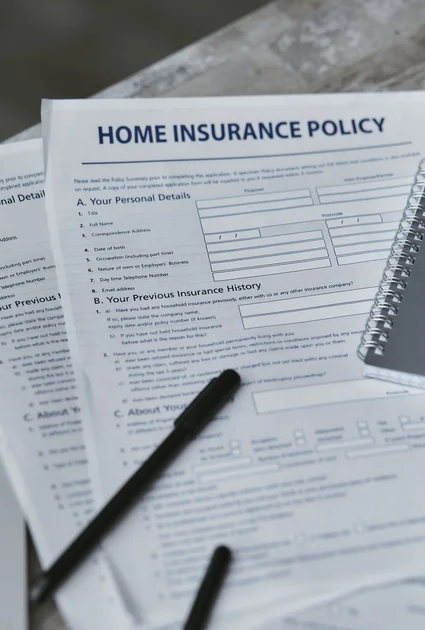
It is equally important to know what your fire insurance does not cover to avoid unpleasant surprises. One major exclusion often found in standard policies is damage caused by fire resulting from intentional acts, such as arson committed by the homeowner. Insurance is designed for accidental losses, so any deliberate destruction of property will lead to a denied claim and potential legal consequences. Furthermore, if you own a home that has been vacant for an extended period—typically 30 to 60 days—without notifying your insurer, your coverage might be voided. Always read your policy’s conditions regarding unoccupied properties to stay in compliance with your contract terms.
Another area where coverage can be limited involves specific types of fires, such as those caused by neglected maintenance. If a fire starts due to faulty wiring that you were previously advised to repair but ignored, the insurer might dispute the claim based on negligence. Similarly, damage caused by war, nuclear hazards, or government action is almost universally excluded from standard fire insurance policies. You can consult the Insurance Information Institute for more details on general policy limitations. By staying proactive with home maintenance and understanding these exclusions, you significantly reduce the risk of having a claim rejected during a time of crisis.
Comparison Table of Coverage

| Feature | Standard Fire Policy | Broad Form Policy | Comprehensive Policy |
|---|---|---|---|
| Structural Damage | Included | Included | Included |
| Personal Property | Named Perils | Named Perils | All-Risk |
| Loss of Use | Included | Included | Included |
| Replacement Cost | Optional | Included | Included |
| Ordinance/Law | Excluded | Limited | Full Coverage |
Pros and Cons Analysis
The primary benefit of having robust fire insurance is the financial stability it offers during a catastrophe. Knowing that the massive cost of rebuilding a home is covered allows homeowners to sleep better at night. Furthermore, the inclusion of loss-of-use coverage ensures that your family remains sheltered even if the structure itself is unsafe. These benefits are fundamental to the security of your household assets. However, the downside is that premiums can be high, particularly in regions prone to wildfires. Additionally, the complexity of filing claims and dealing with adjusters can be a long, draining process that requires meticulous documentation of all your damaged belongings and property features.
Another potential drawback is the gap between the payout and the actual cost of modern construction. If your policy limits are based on outdated valuations, you may find that the insurance money is insufficient to cover the rising costs of labor and materials in 2026. This is why many experts recommend reviewing your policy annually to ensure that your coverage limits match the current replacement value of your home. While the cost of higher coverage might seem like an unnecessary expense, it is a small price to pay compared to the risk of being left with a significant financial shortfall after a fire destroys your most valuable investment.
Key Takeaways

- Fire insurance is typically a key component of a standard homeowners insurance policy rather than a separate product.
- Replacement cost coverage is superior to actual cash value, as it accounts for the cost of buying new items today.
- Always report long-term absences from your home to your insurer to prevent coverage gaps due to vacancy clauses.
- Documenting your personal property with photos and videos annually makes the claims process significantly smoother.
- Regular home maintenance is not just about safety; it is a requirement to ensure your insurance claims are valid.
- Review your policy limits every year to account for inflation and rising construction costs in the 2026 market.
Frequently Asked Questions
Does fire insurance cover wildfires?
Yes, standard homeowners insurance typically covers damage from wildfires, including the fire itself and the resulting smoke damage. Check your specific policy for wildfire-specific deductibles.
What if my neighbor’s fire damages my home?
If a neighbor’s fire spreads to your property, your homeowners insurance will likely cover the damage, and your insurer may pursue the neighbor’s policy for reimbursement through subrogation.
Are detached structures covered?
Most policies include “other structures” coverage, which covers sheds, garages, or fences on your property, usually up to 10% of your total dwelling coverage limit.
Does fire insurance cover smoke damage?
Yes, damage caused by smoke and soot is generally covered under the fire section of your policy, even if the fire did not reach your actual living space.
Can I get coverage for expensive jewelry?
Standard policies have limits on high-value items like jewelry. You should consider a scheduled personal property endorsement to fully cover expensive items in the event of a fire.
Conclusion
Navigating the world of fire insurance can feel like a daunting task, but it is one of the most critical responsibilities of being a homeowner. By understanding exactly what is covered and where your policy might fall short, you are taking the right steps to secure your future. In 2026, staying informed and keeping your documentation updated are the best ways to prepare for the unexpected. Remember to consult your insurance agent if you have questions about your specific policy terms or if you need to increase your coverage limits. Protecting your home is about more than just bricks and mortar; it is about ensuring peace of mind for your family.