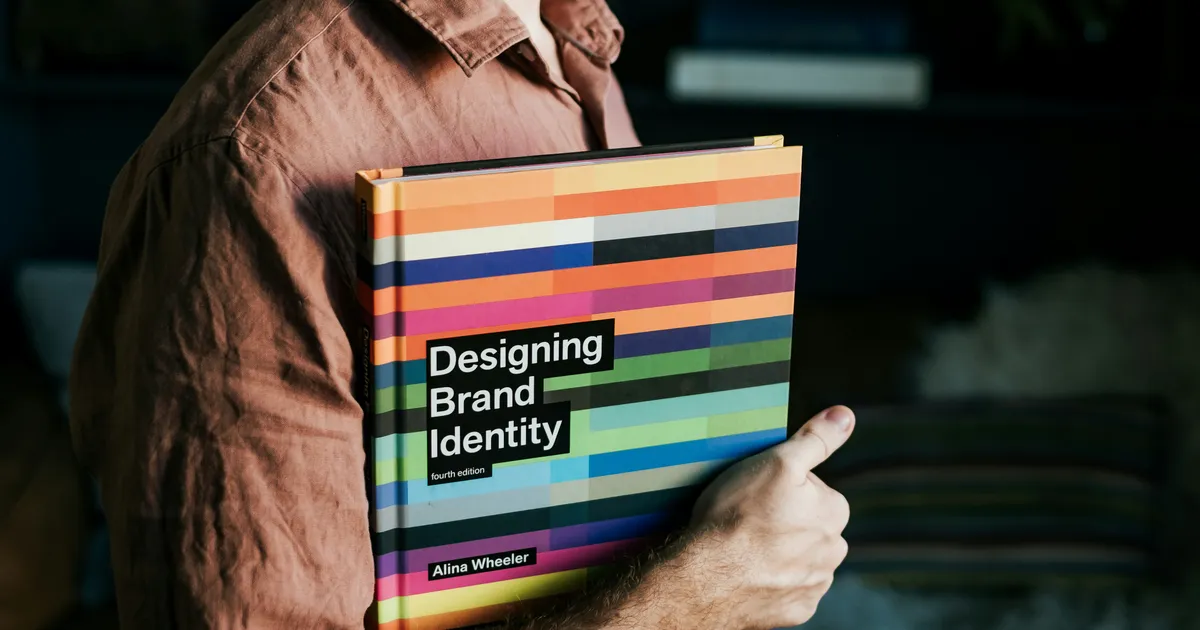
I remember a time early in my freelance career when I felt like just another face in a sea of talent. My portfolio was solid, my skills were sharp, but inquiries were sporadic, and I often found myself competing solely on price. It was a disheartening grind until I realized the missing piece: a robust personal branding strategy for freelancers. This isn’t just about a logo or a catchy slogan; it’s about intentionally shaping how clients perceive your unique value, expertise, and personality. In today’s hyper-competitive market, particularly as we look towards 2026, a well-defined personal brand transforms you from a commodity into a sought-after specialist, attracting ideal clients who are willing to pay for your distinct contribution. It’s the difference between chasing work and having work come to you.
Define Your Niche and Unique Value
The first, and arguably most critical, step in building an effective personal brand is to pinpoint your niche. Many freelancers fear specializing, believing it will limit their opportunities, but the opposite is true. When you try to serve everyone, you end up appealing to no one specific. Think about what specific problem you solve for a particular type of client. Are you a content writer for SaaS startups? A web designer for eco-conscious small businesses? Clarifying this focus makes your marketing efforts infinitely more targeted and efficient, allowing potential clients to immediately understand how you can help them achieve their specific goals.
Once you’ve identified your niche, articulate your unique value proposition. This isn’t just a list of services; it’s the specific benefit and outcome clients gain by working with you, something that sets you apart from competitors. Perhaps you combine technical expertise with a rare understanding of psychological sales triggers, or your project management skills ensure seamless, stress-free delivery every time. Your value proposition should be clear, concise, and compelling, answering the fundamental question: “Why should a client choose me over anyone else?” This clarity forms the bedrock of all your branding efforts.
Craft Your Authentic Brand Story
Humans are wired for stories, and your personal brand is deeply intertwined with the narrative you share about yourself and your work. This isn’t about fabricating a persona; it’s about authentically communicating your journey, your passion, and the “why” behind what you do. What experiences led you to this niche? What beliefs drive your approach? Sharing these elements makes you relatable and memorable, fostering trust and connection with potential clients far beyond a simple list of skills. Your story is your unique differentiator in a crowded market.
Your brand story should permeate every touchpoint a client has with you – from your website’s ‘About Me’ page to your social media posts and even your email signature. It’s about consistency in voice, tone, and message, reflecting your core values. For instance, if integrity and meticulousness are central to your brand, ensure your communications always reflect that precision. This authenticity resonates deeply, attracting clients who align with your values and appreciate your unique perspective. For more insights on developing a compelling narrative, consider resources like Copyblogger’s articles on business storytelling.
Build a Multi-Channel Online Presence
In the digital age, your online presence is your storefront, portfolio, and networking hub all rolled into one. A comprehensive personal branding strategy for freelancers necessitates a strategic approach to various online channels. Start with a professional website acting as your home base, showcasing your portfolio, testimonials, and clear calls to action. Beyond that, identify where your ideal clients spend their time online. Are they on LinkedIn, Instagram, X (formerly Twitter), or industry-specific forums? Focus your energy on these platforms, engaging genuinely and providing value.
Consistency Across Platforms
Maintaining a consistent brand identity across all chosen platforms is paramount. This means using the same professional headshot, a consistent color palette, and a unified brand voice. If your website exudes professionalism and detailed expertise, your LinkedIn profile should mirror that, and your social media interactions should reinforce it, perhaps with a slightly more conversational tone, but never deviating from your core brand message. Inconsistency breeds confusion and erodes trust, making it harder for clients to recognize and remember you. Treat every online interaction as an extension of your brand.
Beyond visual and verbal consistency, ensure your content strategy aligns across channels. Share valuable insights, case studies, and thought leadership that reinforce your expertise and niche. For example, a freelance SEO specialist might share industry updates and optimization tips on LinkedIn, while a graphic designer showcases their latest projects on Instagram. The goal is to establish yourself as an authority, making it easy for prospective clients to find you, understand your value, and feel confident in your abilities. This strategic presence will be even more vital for standing out in 2026.
Deliver Exceptional Value and Nurture Relationships
Your personal brand isn’t just about what you say you do; it’s fundamentally about what you actually deliver. Exceptional work is the most powerful form of branding. Every project is an opportunity to reinforce your reputation for quality, reliability, and professionalism. Go the extra mile, communicate proactively, and exceed expectations whenever possible. Satisfied clients become your most enthusiastic advocates, providing testimonials, referrals, and repeat business, which are invaluable assets for any freelancer. This commitment to excellence builds a brand that speaks for itself.
Nurturing client relationships extends beyond project completion. Follow up periodically, share relevant industry insights, or simply check in to see how their business is progressing. This demonstrates a genuine interest in their long-term success, transforming transactional interactions into enduring partnerships. Building a network of strong relationships not only secures future work but also positions you as a trusted advisor rather than just a service provider. Remember, people hire people they know, like, and trust, and consistent relationship-building cements that trust over time.
Evolve and Adapt Your Brand for the Future
The freelance landscape is dynamic, with new technologies, trends, and client needs emerging constantly. A truly robust personal branding strategy for freelancers isn’t static; it’s an ongoing process of evolution and adaptation. Regularly review your brand’s effectiveness. Are you still attracting your ideal clients? Is your value proposition still relevant? Solicit feedback from clients and peers, and honestly assess your market position. What worked well in 2026 might need tweaking to remain cutting-edge in 2026.
Embrace continuous learning and skill development, and integrate new expertise into your brand narrative. If you’ve mastered a new software, specialized in an emerging industry, or developed a unique methodology, make sure your brand reflects these advancements. Staying ahead of the curve not only keeps your skills sharp but also positions you as an innovator and forward-thinker. Your brand should be a living entity, growing and refining alongside your career, ensuring you remain relevant, competitive, and highly sought-after in a rapidly changing world. Keep an eye on industry shifts, perhaps by regularly consulting publications like Forbes Small Business section for market trends.
Key Takeaways
- Niche Down to Stand Out: Resist the urge to be a generalist. Identify your specific expertise and the particular problem you solve for a defined client segment. This clarity differentiates you and attracts ideal clients who value your specialized skills.
- Authenticity is Your Superpower: Craft a compelling brand story that genuinely reflects your values, passions, and journey. Consistency in your voice and message across all platforms builds trust and fosters deeper connections, making you memorable.
- Strategic Online Presence is Non-Negotiable: Develop a professional website as your central hub and strategically engage on platforms where your target clients reside. Ensure visual and verbal consistency across all channels to reinforce your brand identity.
- Exceptional Delivery Fuels Reputation: Consistently exceed client expectations with high-quality work and proactive communication. Nurture these relationships beyond project completion; satisfied clients become powerful advocates, generating referrals and repeat business that solidify your brand’s strength.
Frequently Asked Questions
How long does it take to build a strong personal brand?
Building a strong personal brand is not an overnight process; it’s an ongoing journey of consistent effort and refinement. While you can establish the foundational elements—niche, value proposition, and initial online presence—within a few months, truly solidifying your brand and reputation can take one to three years. It requires sustained delivery of quality work, consistent visibility, and continuous relationship building to cultivate trust and recognition in your field.
Do I need a logo for my personal brand as a freelancer?
While a logo can be a nice visual element, it is absolutely not a requirement for a strong personal brand, especially for freelancers. Your personal brand is far more about your reputation, expertise, unique value, and authentic voice than it is about a graphic symbol. A clear professional headshot, consistent typography, and a cohesive color palette across your online presence are often more impactful and easier to manage than an elaborate logo.
How often should I update my personal branding strategy?
Your personal branding strategy should be reviewed and potentially updated at least once a year, or whenever significant changes occur in your career, skills, or target market. The freelance world, especially looking towards 2026, evolves rapidly. Regular assessment ensures your brand remains relevant, accurately reflects your current expertise, and continues to attract your ideal clients. Don’t be afraid to pivot if your market shifts or your passions evolve.
Can my personal brand change over time?
Absolutely, and it should! Your personal brand is a living entity that grows and adapts with you. As you gain new skills, develop new specializations, or discover new passions, your brand can and should evolve to reflect these changes. The key is to make these transitions intentionally and communicate them clearly to your audience, ensuring your brand story remains coherent and authentic throughout your professional journey.
Conclusion
Embracing a proactive personal branding strategy for freelancers is no longer optional; it’s the bedrock of sustainable success. It transforms you from a generic service provider into a recognized expert, attracting the right clients who value your unique contributions. By consistently defining your niche, sharing your authentic story, maintaining a strong online presence, delivering exceptional work, and adapting to change, you build a powerful identity. This strategic approach ensures not only your professional longevity but also a more fulfilling and profitable freelance career, especially as we navigate the competitive landscape of 2026 and beyond. Invest in your brand, and watch your opportunities multiply.