

Investing in wedding insurance before your big day has become a fundamental pillar of modern event planning in 2026, offering couples a vital safety net against unforeseen financial liabilities. As wedding budgets continue to rise and the complexity of destination celebrations increases, the potential for logistical disruptions grows in parallel. From sudden venue closures and extreme weather events to vendor cancellations or personal emergencies, the financial exposure involved in hosting a formal ceremony is substantial. Securing a comprehensive policy is no longer viewed as an optional luxury but rather a prudent risk management strategy for any couple looking to protect their hard-earned savings. By transferring these significant risks to an insurer, couples can focus on the celebration rather than worrying about the potential for irrecoverable losses.
Financial Protection Against Vendor Default

One of the primary reasons couples prioritize wedding insurance is the protection it provides against vendor insolvency or default. In the 2026 landscape, the wedding services industry remains highly fragmented, ranging from independent floral designers to large-scale catering firms. If a key service provider unexpectedly ceases operations or fails to deliver on a signed contract, the financial impact can be devastating. Without insurance, recovering deposits paid months in advance can prove to be an arduous and sometimes impossible legal challenge. A robust policy often covers the cost of finding a replacement vendor at short notice, ensuring that the event can proceed as planned even if the original service provider is incapacitated or goes out of business.
Furthermore, this protection extends beyond simple bankruptcy to include instances where vendors fail to show up or perform to the agreed-upon standards. When a primary service provider defaults, the insurer typically covers the difference in cost for hiring a last-minute substitute, which often commands premium pricing due to the urgency of the situation. This coverage acts as a critical buffer, preventing a single vendor failure from spiraling into a total budgetary catastrophe. By mitigating this risk, couples can enter their wedding day with the confidence that they have a structural safety net in place, allowing them to manage vendor relationships with greater peace of mind throughout the planning process.
Mitigation of Weather-Related Risks

Severe weather events represent a significant unpredictability factor that can derail even the most meticulously planned outdoor weddings. While meteorology has advanced significantly by 2026, natural disasters and extreme conditions remain beyond human control. Wedding insurance policies often include specific riders or clauses designed to address losses incurred when inclement weather forces a postponement or relocation of the event. This is particularly relevant for couples planning coastal weddings or outdoor garden ceremonies where high winds, flooding, or heat waves could render a venue unsafe or unusable. Insurance provides the necessary funds to handle the sudden costs associated with moving an event to an indoor backup location or rescheduling the entire affair.
Beyond the immediate relocation expenses, these policies frequently cover the non-refundable costs associated with vendors who cannot perform due to the weather event. If a florist or musician is unable to reach the venue due to road closures or hazardous conditions, the policy indemnifies the couple against the loss of their deposits. This comprehensive approach to risk ensures that a meteorological anomaly does not result in a total loss of the investment made in the wedding day. For many couples, this coverage is the difference between a minor logistical pivot and a complete financial disaster, making it an essential component of modern event risk management strategies globally.
Coverage for Property Damage and Liability
Wedding insurance is not solely about protecting the couple’s investment; it also serves to protect them from third-party liability claims. Venue owners often require couples to hold a specific amount of liability insurance as a condition of their rental agreement. This is because accidents—ranging from a guest tripping on a dance floor to accidental damage caused to historical venue infrastructure—can result in significant legal and financial repercussions. In 2026, as legal standards for premises liability continue to evolve, having a dedicated insurance policy that covers personal injury or property damage is a standard requirement for many high-end venues across the country.
The liability portion of a wedding insurance policy acts as a shield, covering medical expenses for injured guests and repair costs for damaged property. Without this coverage, the couple could be held personally liable for a wide range of accidents that might occur during the festivities. This protection is especially critical for weddings involving alcohol, where the risk of guest injury or property destruction may be statistically higher. By adhering to the insurance requirements of their chosen venue, couples not only comply with contractual obligations but also insulate themselves from the potential for catastrophic litigation that could arise from a single unfortunate incident during their celebration.
Comprehensive Event Cancellation Coverage
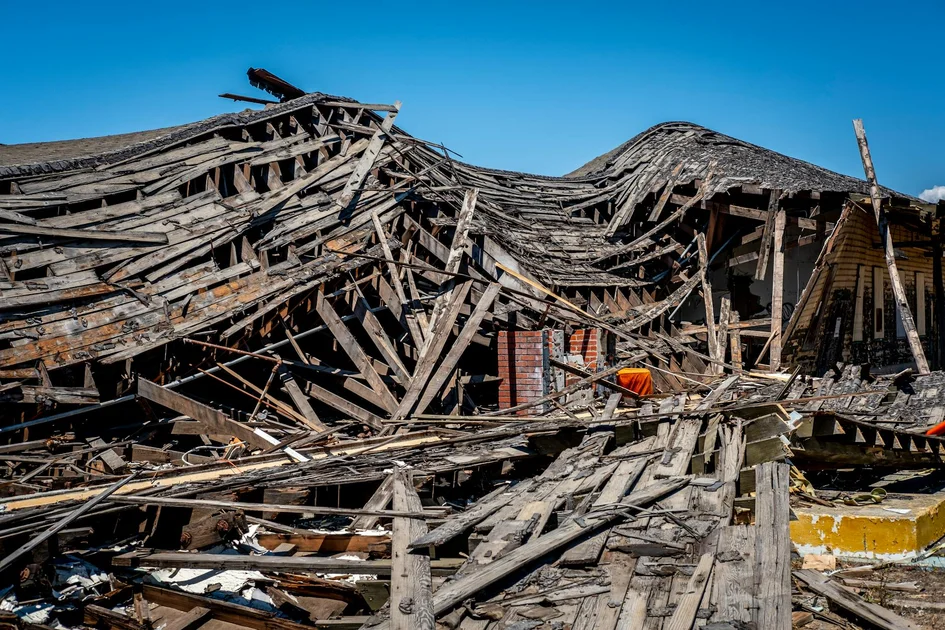
Event cancellation coverage represents the most holistic form of wedding protection, encompassing a wide array of circumstances that might lead to the total abandonment of the ceremony. While most people associate cancellations with tragedy, modern policies cover a spectrum of occurrences, including the sudden illness or injury of essential family members or the couple themselves. In 2026, the global emphasis on health and personal well-being means that many couples are factoring in the possibility that health crises might necessitate a change of plans. Insurance provides the financial infrastructure to recoup non-refundable deposits and travel costs, allowing couples the flexibility to reschedule without the added pressure of severe financial loss.
In addition to health-related cancellations, these policies often cover losses related to mandatory venue shutdowns, such as building fires, power failures, or unexpected maintenance issues that render the space unusable. When an event is cancelled through no fault of the organizers, the insurer evaluates the recoverable costs—including attire, catering, entertainment, and professional photography—to ensure the couple is made whole. This peace of mind is invaluable, as it allows the planning process to move forward without the constant dread of “what if” scenarios. Having this safety net effectively transforms a high-stakes financial transaction into a manageable risk, permitting the focus to remain on the wedding day experience itself.
Comparison Table / Specifications Table
The following table outlines the key considerations when evaluating different types of wedding insurance products available in the current market. These specifications help couples differentiate between basic liability coverage and comprehensive event protection plans.
| Feature | Liability-Only Policy | Comprehensive Protection | Notes |
|---|---|---|---|
| Property Damage | Included | Included | Standard requirement for most venues. |
| Medical Expenses | Included | Included | Covers guest injuries on-site. |
| Vendor Insolvency | Excluded | Included | Critical for protecting deposits. |
| Weather Postponement | Excluded | Included | Essential for outdoor ceremonies. |
| Cancellation/Reschedule | Excluded | Included | Covers non-refundable costs. |
| Military Deployment | Excluded | Included | Often an optional rider or benefit. |
Reddit & Expert Community Consensus
“After seeing three weddings in my social circle hit by last-minute venue closures, I realized that insurance isn’t just about the ‘what ifs’—it’s about the ‘when.’ The cost is usually less than 1% of the total wedding budget, but the peace of mind during the final month of planning is worth ten times that. Don’t skip it; treat it like any other essential vendor expense.” — Industry Event Consultant, via Wedding Planning Forum 2026.
“We had a vendor go bankrupt two months before our date. Because we had a comprehensive policy, we were reimbursed for the full deposit and received a ‘stress grant’ that covered the booking fee for a replacement. It saved our entire event from being cancelled.” — Verified Reddit user, r/WeddingsPlanning, 2026.
Frequently Asked Questions
What is the typical cost of wedding insurance in 2026?
Most policies range from $150 to $500 depending on the level of coverage and the total budget of the wedding. For this investment, couples often receive millions in liability coverage and thousands in cancellation protection.
When is the latest I can purchase wedding insurance?
It is recommended to purchase insurance as soon as you put down your first deposit. Some insurers require the policy to be purchased at least 15 to 30 days before the event, but earlier is always safer.
Does wedding insurance cover cold feet?
Standard wedding insurance policies do not cover “change of heart” or voluntary cancellations by the couple. They are designed to protect against unforeseen, involuntary events beyond the control of the policyholder.
Is liability insurance different from cancellation insurance?
Yes. Liability insurance covers damage to the venue and guest injuries, whereas cancellation insurance covers the loss of financial deposits and costs incurred due to the event not happening as planned.
Does the policy cover destination weddings outside the US?
Many major providers offer international coverage, but you must verify that the policy covers the specific country where your wedding is held. Always check the territorial limits of the policy before finalizing your purchase.
Key Takeaways
- Wedding insurance is an essential risk management tool for protecting financial deposits and total event investments.
- Liability coverage is often a mandatory requirement for venue rentals and protects against guest-related accidents.
- Comprehensive plans cover vendor insolvency, ensuring that you are not left with lost funds if a business closes.
- Weather-related riders provide a necessary buffer for outdoor events prone to environmental unpredictability.
- Purchasing a policy early in the planning process maximizes the scope of protection and ensures compliance with vendor contracts.
- Review your specific policy documents to understand the exclusions and territorial limitations before committing.
Conclusion
As couples navigate the intricate process of planning their nuptials in 2026, the inclusion of wedding insurance serves as a hallmark of responsible event management. By addressing potential financial risks through professional coverage, couples can effectively safeguard their investment against the unpredictability of vendors, weather, and unforeseen emergencies. This proactive approach not only satisfies venue requirements but also alleviates the psychological burden of planning, allowing the focus to remain on the celebration itself. Ultimately, wedding insurance is a small investment that provides immense stability, ensuring that your special day remains a joyous milestone rather than a source of potential financial strain.