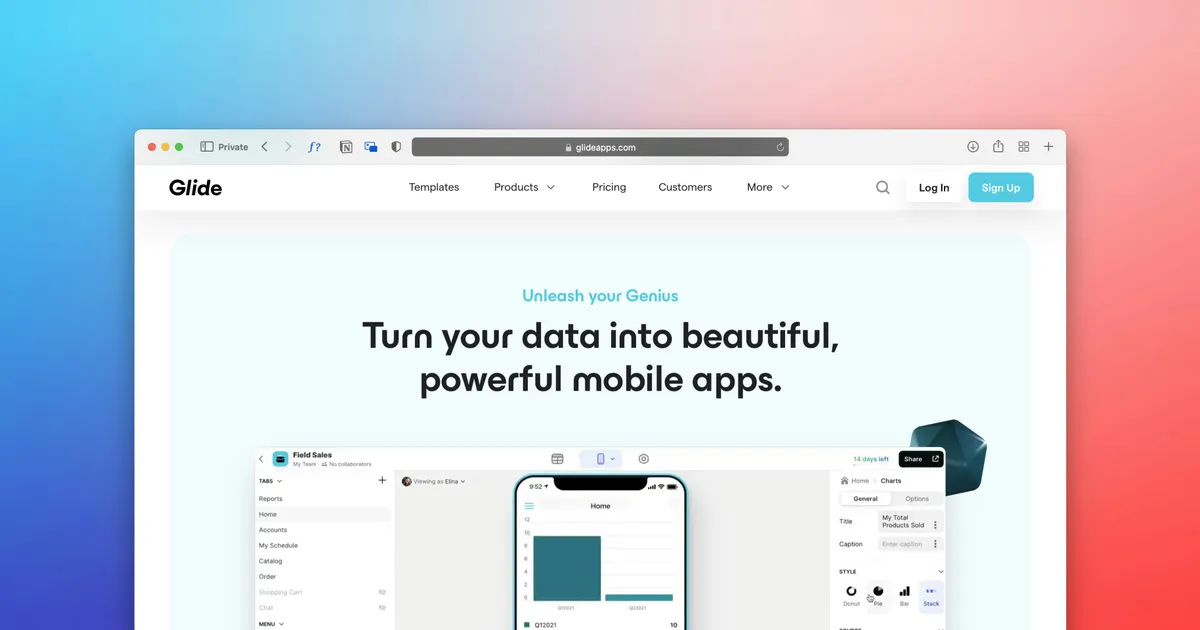
I remember a time, not so long ago, when building a dedicated landing page felt like commissioning a small army. You needed a designer, a developer, and endless rounds of revisions, all while your marketing budget bled dry. It was a bottleneck that stifled agility and innovation, and frankly, it often led to campaigns underperforming because the landing experience just wasn’t optimized. This frustration is precisely why the advent of dedicated landing page builder tools has been nothing short of a revolution for marketers. These platforms empower us to create high-converting, beautiful pages without writing a single line of code, transforming how we approach lead generation and campaign optimization. They’ve democratized the process, putting powerful design and analytics capabilities directly into the hands of those who understand the audience best: the marketers themselves.
The Undeniable Power of Specialized Pages
Gone are the days when a generic homepage or a simple product page was sufficient to capture leads or drive specific actions. Modern digital marketing demands precision, and that’s where dedicated landing pages shine. Unlike broader website pages, a landing page is meticulously crafted with a singular goal in mind: to convert a visitor into a lead or customer for a specific campaign. This laser focus minimizes distractions, guides the user through a clear conversion path, and speaks directly to the intent triggered by the ad or email that brought them there. The difference in conversion rates between a well-designed landing page and a standard website page can be staggering, often justifying the investment in specialized tools many times over.
Specialized landing pages allow for unparalleled experimentation and optimization, which is crucial in today’s competitive landscape. Marketers can rapidly deploy multiple versions of a page, test different headlines, calls to action, images, and form layouts, and then use the data to continuously improve performance. This iterative process, often referred to as Conversion Rate Optimization (CRO), is fundamental to maximizing ROI from ad spend and other marketing efforts. Without the agility provided by landing page builder tools, this level of rapid testing and deployment would be prohibitively expensive and time-consuming, hindering a campaign’s potential from the outset.
Essential Features for Marketers in 2026
When evaluating landing page builder tools, a marketer in 2026 needs to look beyond just drag-and-drop functionality. While intuitive visual editors are non-negotiable, the true power lies in features that directly impact conversion and integration. Seamless integration with CRM systems like Salesforce or HubSpot, email marketing platforms, and advertising networks is paramount. This ensures that lead data flows effortlessly, nurturing sequences are triggered automatically, and campaign tracking remains consistent across your entire marketing stack. Without robust integrations, you’re left with data silos and manual processes that negate the efficiency gains of using a builder in the first place.
Beyond integration, look for advanced A/B testing capabilities, detailed analytics dashboards, and robust template libraries. A good builder offers pre-designed templates optimized for various industries and campaign types, providing a solid starting point that saves immense time. Furthermore, mobile responsiveness isn’t just a nice-to-have; it’s a fundamental requirement, given the prevalence of mobile browsing. The ability to easily customize pages for different devices ensures a consistent, positive user experience, which directly impacts bounce rates and conversions. Finally, don’t overlook features like dynamic text replacement and personalized content options, which are becoming increasingly vital for delivering hyper-relevant experiences.
Personalizing User Experiences
The future of effective marketing, especially by 2026, hinges on personalization, and landing page builders are at the forefront of enabling this. Dynamic text replacement, for instance, allows marketers to automatically swap out headlines or body copy on a landing page based on the search query a user typed into Google or the segment they belong to in an email list. Imagine a user searching for “best project management software for small teams” and landing on a page whose headline explicitly echoes that phrase. This immediate relevance significantly boosts engagement and the likelihood of conversion, making the user feel understood and valued rather than just another anonymous visitor.
Optimizing for Conversions with Data
Creating beautiful landing pages is only half the battle; ensuring they convert effectively is the ultimate goal. This is where the analytics and A/B testing features within landing page builder tools become indispensable. A/B testing allows you to pit two different versions of a page against each other to see which performs better in terms of conversions, click-through rates, or time on page. By systematically testing elements like headlines, calls to action, imagery, and even form field placement, marketers can gain valuable insights into what resonates most with their target audience. It’s a continuous process of hypothesis, experimentation, and data-driven refinement.
Beyond simple A/B tests, many advanced builders offer multivariate testing, enabling you to test multiple elements simultaneously, and robust analytics dashboards that provide a holistic view of page performance. You can track everything from visitor counts and bounce rates to conversion funnels and geographic origins. This granular data empowers marketers to make informed decisions, allocate budget more effectively, and continuously optimize their campaigns for maximum impact. Without these insights, you’re essentially flying blind, guessing what might work rather than knowing what truly drives results. For further reading on the importance of CRO, I highly recommend exploring resources like the Optimize Smart CRO Glossary.
Choosing the Right Tool for Your Strategy
With a plethora of landing page builder tools on the market, selecting the right one can feel overwhelming. The “best” tool isn’t universal; it’s the one that aligns perfectly with your specific marketing strategy, budget, and technical capabilities. For startups or small businesses, a tool with an intuitive interface, pre-built templates, and a focus on essential integrations might be ideal, even if it has fewer advanced features. Larger enterprises, on the other hand, might prioritize extensive customization options, advanced analytics, enterprise-level security, and deep integrations with complex CRM and marketing automation platforms. Consider your team’s existing skill set; a tool that requires extensive coding knowledge will be a bottleneck if your team lacks those skills.
Pricing models also vary significantly, from free tiers with limited features to high-end enterprise solutions costing thousands per month. Evaluate not just the initial cost but also the long-term value, scalability, and included support. Some tools offer excellent customer service and extensive knowledge bases, which can be invaluable when you’re just starting out or encountering complex issues. Think about your future needs too; will the tool grow with your business into 2026 and beyond? A wise choice today can prevent a costly and disruptive migration later, so carefully assess the platform’s roadmap and community support before committing.
Integrating Builders into Your Marketing Stack
The true power of modern landing page builder tools is unleashed when they are seamlessly integrated into your broader marketing stack. A standalone landing page, no matter how brilliant, exists in a vacuum if it can’t communicate with your CRM, email service provider, or advertising platforms. Robust integrations ensure that when a lead fills out a form on your landing page, their data is automatically populated into your CRM, triggering follow-up emails, assigning them to sales reps, or segmenting them for future campaigns. This automation saves countless hours of manual data entry and significantly speeds up the lead nurturing process, improving the chances of conversion.
Consider how your chosen builder connects with your advertising efforts. Many tools offer direct integrations with Google Ads or Facebook Ads, allowing for precise tracking of conversions and the ability to pass conversion data back to your ad platforms for optimized targeting and bidding. This closed-loop reporting is critical for understanding campaign ROI and making data-driven decisions about where to allocate your ad spend. Without these integrations, you’re relying on fragmented data, which can lead to inefficient spending and missed opportunities. Exploring how tools like Unbounce or Leadpages integrate with various platforms often reveals their true value, as detailed on their respective documentation sites, such as Unbounce’s integration documentation.
Key Takeaways
- Precision is Paramount: Dedicated landing pages, built with specialized tools, offer a laser focus on specific conversion goals, outperforming generic website pages significantly.
- Features Drive Success: Prioritize builders with intuitive editors, robust A/B testing, detailed analytics, mobile responsiveness, and strong integrations with your CRM, email, and ad platforms for optimal performance.
- Data-Driven Optimization: Leverage analytics and A/B testing capabilities to continuously refine your pages, ensuring every element is working hard to maximize conversion rates and improve ROI.
- Strategic Selection: Choose a landing page builder that aligns with your business size, budget, team’s technical skills, and future growth plans, ensuring long-term compatibility and efficiency.
Frequently Asked Questions
Why can’t I just use my website’s existing pages for lead generation?
While you certainly can, dedicated landing pages are designed with a singular focus: conversion. They eliminate navigation menus and other distractions found on a typical website, guiding visitors directly to a specific call to action. This focused approach consistently leads to higher conversion rates compared to general website pages.
Are landing page builder tools difficult to learn?
Most modern landing page builder tools are designed with user-friendliness in mind, featuring intuitive drag-and-drop interfaces that require no coding knowledge. While there’s always a learning curve for advanced features, basic page creation is typically very straightforward, allowing marketers to get started quickly.
How often should I be A/B testing my landing pages?
A/B testing should be an ongoing process. You should test new hypotheses regularly, especially for high-traffic or critical campaigns. Even small changes can yield significant improvements over time. The key is to test one variable at a time to accurately attribute performance changes.
Can landing page builders integrate with my current marketing software?
Yes, most reputable landing page builder tools offer extensive integration capabilities with popular marketing software, including CRM systems (e.g., Salesforce, HubSpot), email marketing platforms (e.g., Mailchimp, ActiveCampaign), and advertising platforms (e.g., Google Ads, Facebook Ads). Always check for specific integrations relevant to your stack before committing to a tool.
Conclusion
The journey from a blank canvas to a high-converting landing page has been dramatically simplified and democratized by landing page builder tools. For marketers, these platforms are no longer a luxury but an essential component of an effective digital strategy. They empower us to be agile, data-driven, and ultimately, more successful in achieving our lead generation and sales goals. Embracing these tools and understanding their full potential for optimization and integration will be key to staying competitive and driving impressive results well into 2026 and beyond. It’s about leveraging technology to focus on what truly matters: connecting with your audience and delivering value.