

Navigating the complex world of international trade requires a robust strategy, and understanding marine insurance coverage is arguably the most critical component for any import export business in 2026. Whether you are moving high-value electronics across the Atlantic or shipping bulk agricultural goods through the Suez Canal, the risks of transit are constant. From sudden storms and vessel collisions to sophisticated piracy and logistical bottlenecks, your cargo is exposed to various threats that can devastate your bottom line. By securing a comprehensive policy, you are not just buying a safety net; you are protecting your reputation and ensuring that your enterprise remains resilient against the unpredictable nature of global supply chains. Let us break down exactly what you need to know to stay protected this year.
The Basics of Marine Cargo Insurance
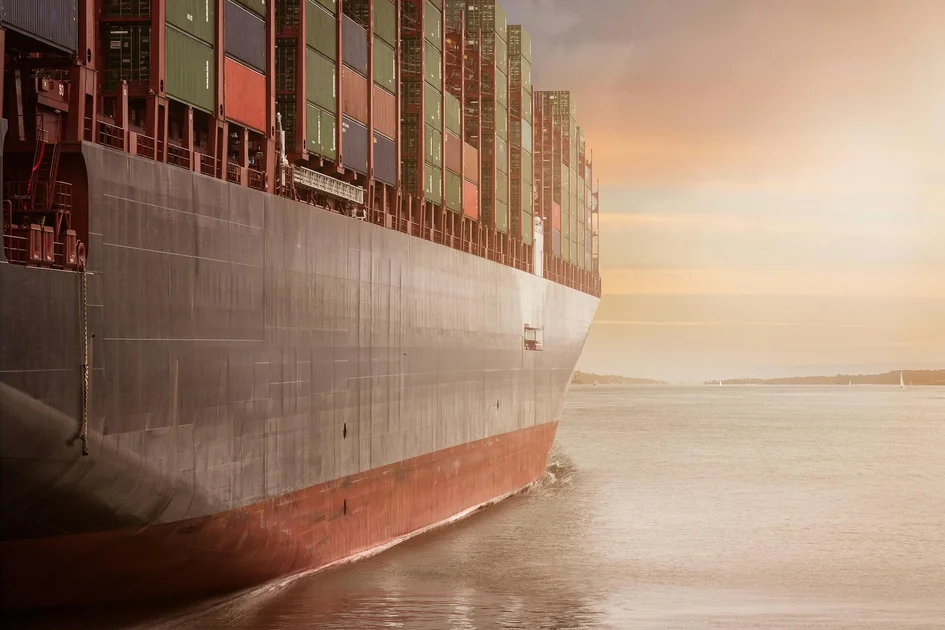
At its core, marine insurance serves as a financial shield for traders against the physical loss or damage of goods during transit by sea, air, or land. It is important to realize that standard carrier liability is often limited by international conventions like the Hague-Visby Rules, meaning carriers are rarely responsible for the full value of your goods if they are lost or damaged. Without private coverage, you might find yourself absorbing the entire cost of a total loss, which could easily bankrupt a growing import export firm. In 2026, the global trade landscape is increasingly digitized, making it easier to secure tailored policies that cover your unique cargo requirements from warehouse to warehouse.
Most policies are structured around the Institute Cargo Clauses, which are the industry standard for defining the scope of coverage. These clauses, labeled A, B, and C, provide varying levels of protection. Clause A is typically the most comprehensive, covering “all risks” unless specifically excluded. Clauses B and C provide more restricted coverage, focusing on named perils like fire, collision, or sinking. Choosing the right clause depends heavily on the nature of your products, the shipping route, and your overall risk appetite. Always consult with a licensed broker to ensure your specific commodities are fully protected against modern transit variables.
Comparison of Coverage Options
When selecting a policy, it helps to see exactly how different coverage tiers stack up against one another. This table outlines the primary differences in protection levels available to traders today.
| Feature | Institute Clause A | Institute Clause B | Institute Clause C |
|---|---|---|---|
| Coverage Basis | All Risks | Named Perils | Named Perils |
| Theft & Pilferage | Included | Excluded | Excluded |
| Water Damage | Included | Included | Excluded |
| General Average | Covered | Covered | Covered |
| Earthquake/Volcano | Included | Included | Excluded |
| Typical Cost | Highest Premium | Moderate Premium | Lowest Premium |
Pros and Cons Analysis
Evaluating the necessity of marine insurance requires a balanced view of the benefits and the potential drawbacks. On the positive side, the primary benefit is peace of mind. Knowing that your investment is secured allows you to focus on scaling your business and expanding into new markets without the constant fear of a catastrophic financial blow. Furthermore, most banks and financial institutions will not provide trade financing or letters of credit unless you have adequate marine insurance in place. This coverage acts as a fundamental pillar of your business credibility, showing partners and suppliers that you are a professional and prepared operator in the international arena.
Conversely, the main drawback involves the complexity of policy wording and the potential for claim disputes. Insurance contracts are legally dense, and failing to adhere to strict shipping protocols or packaging requirements can lead to denied claims. Additionally, premiums can fluctuate based on global events, such as geopolitical instability or increased piracy risks in specific shipping lanes. Traders must also account for the administrative effort required to manage documentation and declare values accurately. Despite these challenges, the cost of a premium is almost always negligible when compared to the potential loss of an entire shipment of goods.
Understanding General Average

One of the most misunderstood concepts in the industry is General Average. This is a maritime law principle where all stakeholders in a sea venture proportionally share any losses resulting from a voluntary sacrifice of part of the ship or cargo to save the whole in an emergency. For example, if a captain decides to jettison a portion of the cargo to prevent a ship from sinking during a storm, every party with goods on that ship is legally obligated to contribute to the loss of those whose goods were thrown overboard. This is why having comprehensive marine insurance is non-negotiable; without it, you could be hit with a massive, unexpected financial bill simply for having your goods on a ship that encountered trouble.
The Role of Your Insurance Broker
Given the complexity of maritime law and the technical nature of insurance policies, working with a specialized broker is essential. A good broker does more than just sell you a policy; they act as a risk consultant. They help you navigate the nuances of Incoterms 2026, ensuring that your insurance responsibilities align perfectly with your sales contracts. They also assist in the event of a claim, guiding you through the paperwork and the investigative process. By leveraging their expertise, you can secure better rates and avoid the common pitfalls that lead to coverage gaps, ensuring your business stays compliant and protected throughout the fiscal year.
Risk Mitigation and Best Practices
Insurance should be the final layer of your risk strategy, not the only one. Effective risk mitigation starts with how you pack and secure your cargo. Using high-quality, impact-resistant materials and ensuring that goods are properly crated or containerized significantly reduces the likelihood of damage during transit. Furthermore, working with reputable logistics partners and freight forwarders who have a proven track record is vital. By performing due diligence on your supply chain partners, you reduce the probability of encountering issues that would trigger an insurance claim in the first place. Remember that insurers often offer lower premiums to businesses that can demonstrate high safety standards and robust logistical planning.
Regularly reviewing your cargo values and shipping volumes is another best practice. As your business grows, your existing policy limits might become insufficient, leaving you underinsured if a major event occurs. Conduct a quarterly audit of your shipments and talk to your insurer about adjusting your coverage accordingly. In 2026, many insurance providers offer digital platforms that allow you to declare shipments in real-time, providing you with flexible, on-demand coverage that evolves alongside your business needs. Staying proactive rather than reactive is the hallmark of a successful international trader who understands the value of long-term asset protection.
Key Takeaways
- Marine insurance is a mandatory requirement for securing trade finance and bank credit.
- Always choose your Institute Cargo Clause based on the specific risks of your cargo and route.
- General Average is a real financial risk that only comprehensive insurance can mitigate effectively.
- Professional brokers provide essential guidance for aligning insurance with complex Incoterms.
- Effective packaging and partner vetting are your first lines of defense against cargo loss.
- Digital insurance platforms offer superior flexibility for growing import export operations.
Frequently Asked Questions
What is the difference between FOB and CIF in insurance?
Under FOB (Free On Board), the buyer is typically responsible for arranging insurance once the goods are on the ship. Under CIF (Cost, Insurance, and Freight), the seller is responsible for purchasing the insurance for the transit period.
Does my policy cover theft of goods?
It depends on the clause. Institute Clause A covers theft and pilferage, while Clauses B and C generally do not. Always check your specific policy wording to confirm your level of protection.
What should I do immediately after a loss?
Notify your insurance carrier and broker immediately. Document the damage with photographs, preserve all shipping documents, and do not dispose of any damaged goods until an adjuster has inspected them.
Can I get coverage for land transit too?
Yes, most marine cargo policies are “warehouse-to-warehouse,” meaning they cover the goods from the moment they leave the point of origin until they reach the final destination, including land transport legs.
How are premiums calculated for 2026?
Premiums are based on the value of the goods, the nature of the cargo, the transit route, the method of transport, and your company’s historical claims record.
Conclusion
Securing your international shipments is a vital step in building a sustainable and profitable import export business. By understanding the nuances of marine insurance, from the differences between various cargo clauses to the complexities of General Average, you position yourself to navigate the global market with confidence. While the administrative side of insurance may seem daunting, the protection it offers against unforeseen disasters is invaluable. As you continue to expand your operations throughout 2026, keep your coverage updated, work closely with trusted experts, and prioritize risk mitigation. With the right strategy in place, you can focus on what you do best: growing your global trade footprint.